
Greece Lowers Large-Scale Battery Storage Threshold to 10 MW in Balancing Market Reform
The Greek energy regulator, RAAEY, has reduced the threshold for large storage facilities in the Balancing Market from 40 MW to 10 MW, formally integrating electricity storage into the power system. This change mandates that units above this limit participate as independent market players. The reform aims to enhance grid stability amid rising renewable energy generation. While large-scale battery projects will benefit from better market access, conventional power producers may face revenue pressure as batteries provide quicker and cheaper balancing services.
 Theia Market Signal Identification - AI Assisted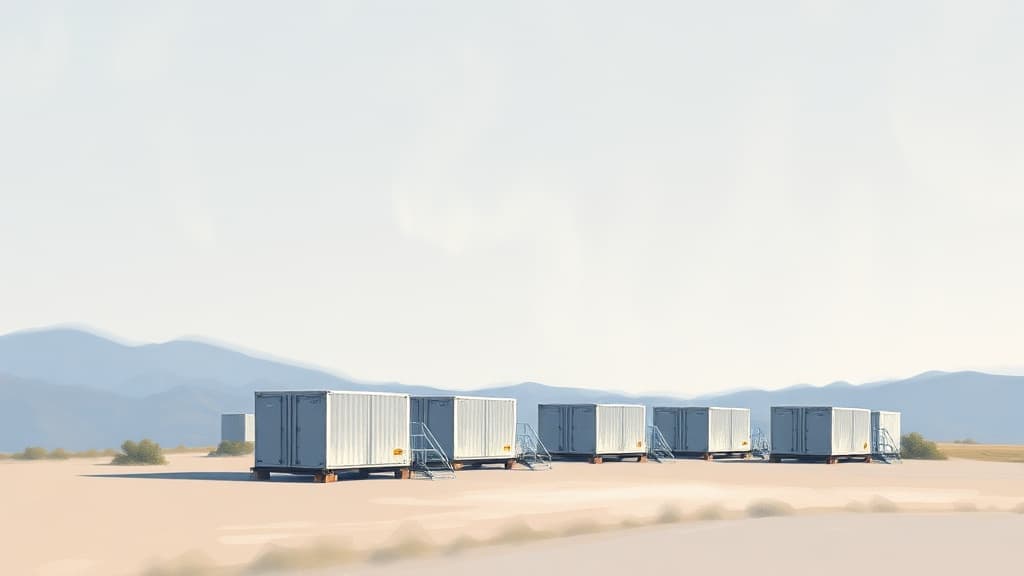
The Regulatory Authority for Waste, Energy and Water (RAAEY) in Greece has revised Balancing Market rules, lowering the threshold for large storage facilities from 40 MW to 10 MW. This change requires larger units to operate independently in electricity markets, enhancing oversight and management of grid constraints.
The new framework also imposes stricter operational requirements for storage operators, including detailed scheduling for energy transactions. Benefits accrue to large-scale battery projects and renewable energy producers, while conventional power producers may face increased pressure and reduced revenues due to the competitive edge of battery storage.



Comments