
Greece to Enhance Role as Southeast Europe Energy Gateway by 2026
Greece aims to enhance its role as an energy gateway for Southeast Europe by 2026, focusing on liquefied natural gas (LNG) transit through a vertical corridor to Ukraine. This initiative, which includes key routes from LNG terminals and the Trans Adriatic Pipeline, is part of the EU's broader strategy to secure $750 billion in LNG by 2028, although recent capacity auctions faced challenges. Upcoming auctions in 2025 are critical for attracting suppliers and ensuring the corridor's full utilization.
 Theia Market Signal Identification - AI Assisted
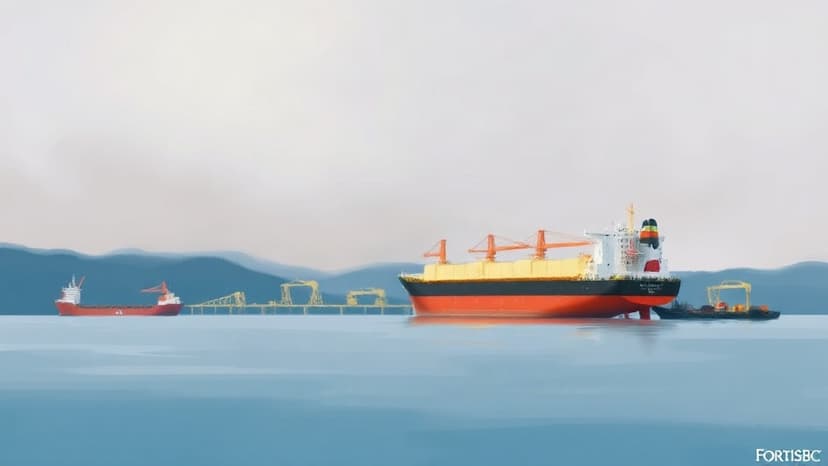
Greece is set to strengthen its position as an energy gateway for Southeast Europe by 2026, particularly for liquefied natural gas (LNG) transit to the region. This strategy hinges on activating a vertical corridor from Greece to Ukraine, featuring three key routes from LNG terminals at Revithoussa, Alexandroupoli, and the Trans Adriatic Pipeline (TAP) connection.
Recent capacity auctions in December attracted no interest due to legal and regulatory challenges. Upcoming auctions in 2025 will be crucial to address these issues and attract suppliers. This initiative aligns with the EU's commitment, under a trade agreement with the US, to procure $750 billion in LNG and other energy products by 2028, necessitating full utilization of the vertical corridor. US intervention through the European Commission may occur if progress stalls.


Comments