
Hydropower Vulnerability Leads to Coal Resurgence in Southern Africa
Zambia and Zimbabwe, reliant on hydropower for over 80% and 50% of electricity respectively, face severe energy crises due to climate-induced droughts. As a response, both countries are increasing coal power generation, despite the long-term risks of carbon emissions and reliance on fossil fuels.
 Theia Market Signal Identification - AI Assisted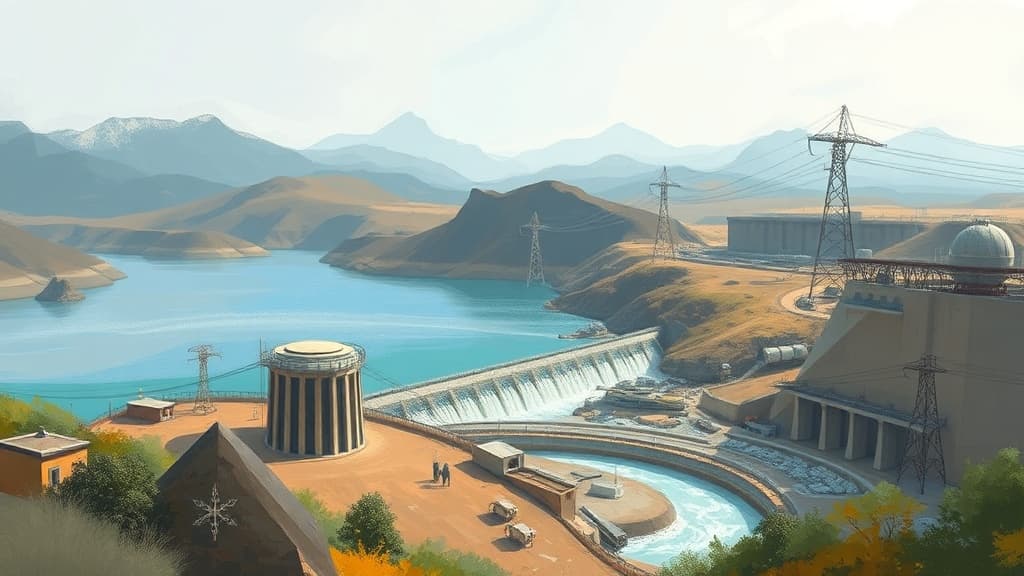
In 2024, Zambia and Zimbabwe depended heavily on hydropower, generating over 80% and 50% of their electricity from this source. However, climate change-related droughts, exacerbated by the 2023-24 El Niño, have led to significant drops in water levels at Lake Kariba, causing one of the worst energy crises in decades.
To mitigate power shortages, both nations have increased coal-fired electricity generation, with Zambia and Zimbabwe accounting for more than two-thirds of all new coal proposals in Africa in 2025. Critics warn this reliance on coal may hinder commitments under the Paris Agreement and lead to long-term emissions issues.
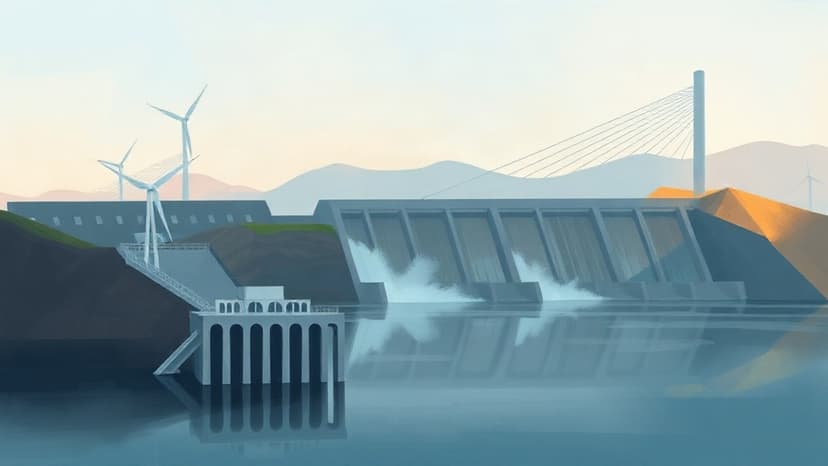
Furthermore, coal's hidden costs, including health impacts and pollution, make it less economically viable compared to renewable sources. The potential for solar energy expansion in both countries remains high but is constrained by financing challenges.

Comments