
Impact of Satellite Launches on Atmospheric Pollution and Climate
Space economy activities are projected to contribute over 40% to climate impact by 2029. Rocket emissions, particularly soot, have a significant effect on solar radiation and stratospheric temperatures.
 Theia Market Signal Identification - AI Assisted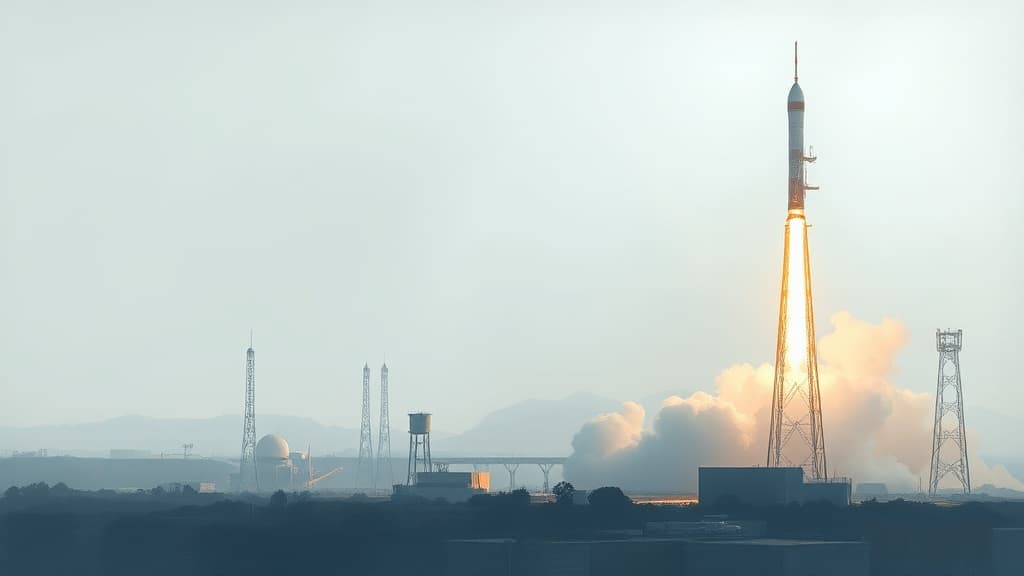
Recent research from University College London highlights that emissions from rocket launches and mega-constellations, such as Starlink and Amazon Leo, significantly affect the upper atmosphere. Soot particles released by kerosene-based propellants can remain in the stratosphere for years, making them 540 times more potent in altering climate compared to ground-level pollutants.
By 2029, pollution from the space sector is expected to exceed 40% of the overall climate impact from the sector. The lack of a global regulatory framework for emissions related to commercial space traffic poses risks for environmental management.


Comments