
India Achieves Over 50% Clean Energy Capacity Ahead of 2030 Targets
India's installed power generation capacity has reached 509.743 GW, with non-fossil fuel sources now comprising 51% of this total, enabling the country to surpass its 2030 clean energy targets five years early. Industry leaders highlight the importance of the upcoming 2026 Union Budget for addressing infrastructure needs and call for increased investments in renewable energy initiatives and technology. Significant expansions in key renewable programs are anticipated, alongside a push for policy support to enhance India's position in clean energy manufacturing.
 Theia Market Signal Identification - AI Assisted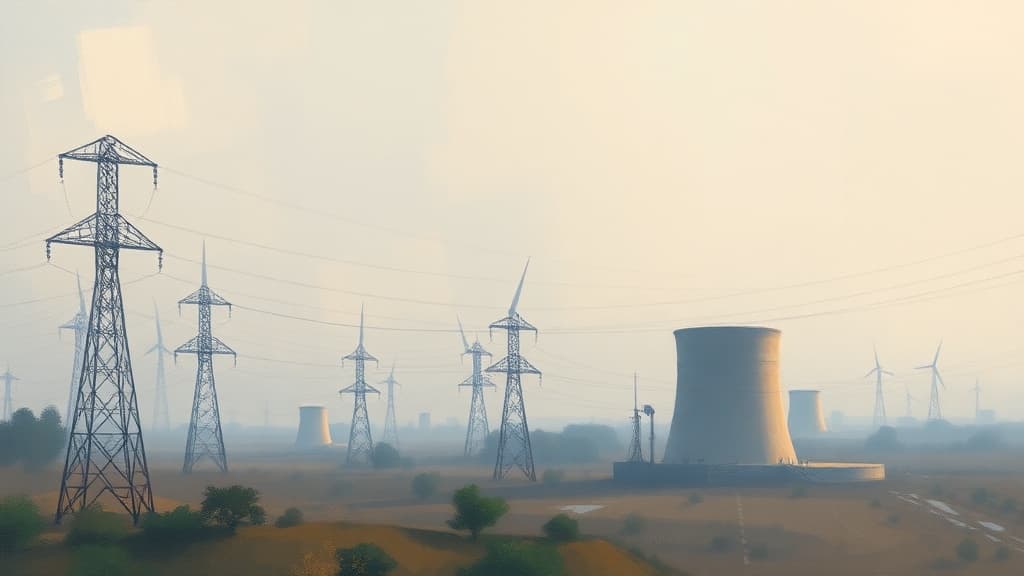
India's installed power generation capacity reached 509.743 GW as of November 30, reflecting a 104.4% increase since 2014. Non-fossil fuel sources now account for 51% of total installed capacity, allowing India to meet its 2030 Nationally Determined Contribution target five years early.
Industry leaders emphasize that the 2026 Union Budget is critical for addressing infrastructure gaps in transmission. Calls have been made for increased investments in green energy corridors and grid-scale battery storage to enhance grid stability.
Significant expansions in flagship renewable programs like PM Surya Ghar Yojana and PM KUSUM are expected, alongside incentives for domestic manufacturing and research in solar technology. Since April 2014, India has added about 178 GW of renewable energy capacity, including solar and wind. Industry experts stress the need for policy support to position India as a leader in clean energy manufacturing and technology by 2030.


Comments