
India Advances Geothermal Energy Initiatives Through International Collaborations and New Policy Framework
India is making strides in geothermal energy development, supported by international collaborations with the US, Norway, and Iceland, as well as a new national policy. The government aims to unlock 10 GW of geothermal potential through pilot projects and financing support, while also exploring funding mechanisms. With 381 geothermal springs identified, the initiative includes establishing a centre of excellence and facilitating state-level exploration and development. The emphasis on geothermal energy aligns with global trends, as it offers reliable, continuous power generation capabilities.
 Theia Market Signal Identification - AI Assisted
India is poised to elevate its renewable energy landscape through a robust push for geothermal energy, leveraging international partnerships and a newly established national policy. The Ministry of New and Renewable Energy, under the guidance of Secretary Santosh Sarangi, is actively engaging with foreign entities from the United States, Norway, and Iceland, which have shown keen interest in conducting pilot studies across promising regions such as the Gulf of Cambay, Arunachal Pradesh, and Uttarakhand.
The government has identified 381 geothermal springs scattered across critical areas, including the Himalayas and the Narmada Basin, estimating a significant geothermal potential of 10 GW. This initiative not only seeks to harness renewable energy but also aims to foster technological advancements through international collaborations with state governments, oil and gas companies, and research institutions.
To facilitate project development, the government is considering various financing mechanisms, such as viability gap funding, tax incentives, long-term concessional loans, and foreign direct investments. Additionally, a centre of excellence in geothermal energy may be established to support technical capacity building and implementation strategies.
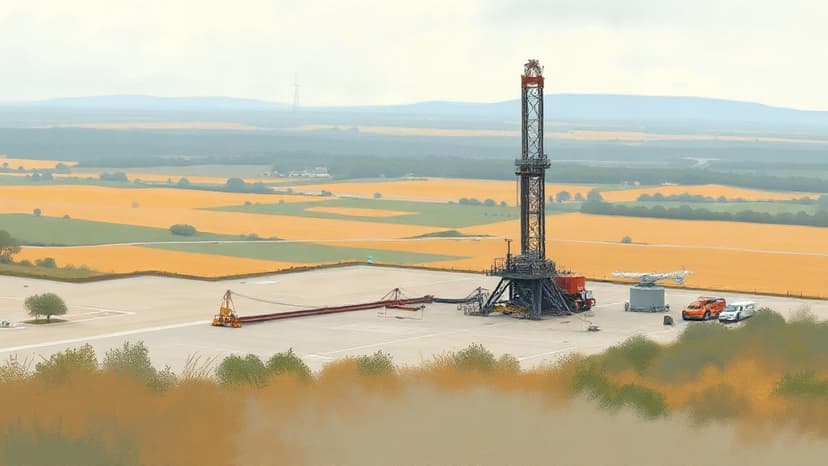
Currently, five pilot projects are underway, including an innovative approach to utilize abandoned oil wells in Rajasthan for geothermal energy production. This initiative exemplifies India's commitment to exploring diverse energy sources while ensuring sustainable development.
The potential of geothermal energy is further underscored by its reliability, providing round-the-clock electricity generation and heat production. With global geothermal capacity achieving an impressive utilization rate of over 75%, compared to the significantly lower rates for wind and solar energy, India’s strategic focus on this sector reflects a promising pathway toward achieving energy security and sustainability in the years to come.


Comments