
India Implements Measures to Achieve 336 GWh Energy Storage Target by 2030
India is implementing various measures to achieve a target of 336 GWh of energy storage by 2029-30, as outlined in the Economic Survey. These initiatives include waiving inter-state transmission charges for storage projects, launching funding schemes for battery systems, and introducing a Production-Linked Incentive scheme to boost manufacturing capacity. By 2031-32, the target will increase to 411 GWh to facilitate greater integration of renewable energy.
 Theia Market Signal Identification - AI Assisted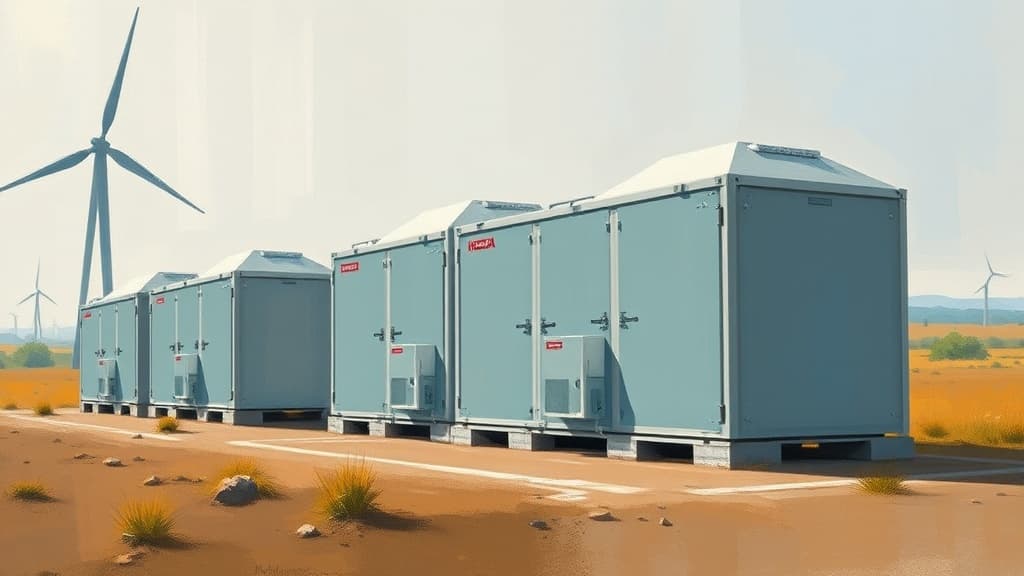
India is implementing a series of policy, regulatory, demand-side, and supply-side measures to achieve an energy storage target of 336 gigawatt hours (GWh) by 2029-30, as reported in the Economic Survey. By 2031-32, a further increase to 411 GWh will be required for renewable energy integration.
Energy storage systems are recognized under the Electricity Rules and included in the Harmonised Master List of Infrastructure. Measures include waiving inter-state transmission charges for battery storage and pumped storage projects until June 2028, expanding revenue streams for storage, and launching two Viability Gap Funding schemes supporting 43 GWh of battery energy storage systems (BESS).
A Rs 18,100 crore Production-Linked Incentive scheme supports the manufacturing of 50 GWh of Advanced Chemistry Cell capacity. Additional initiatives involve advisory norms for co-locating storage with solar capacity to enhance dispatchability.




Comments