
India Shifts Solar Manufacturing Subsidy to Upfront Capex Support for Key Components
India is transitioning its solar manufacturing subsidy from sales-linked production incentives to upfront capital expenditure support for wafers, ingots, and polysilicon. This change, announced by the MNRE secretary, aims to enhance domestic production and meet green energy targets, including a 500 GW renewable energy capacity by 2030. The ministry is also negotiating power purchase agreements and developing financial schemes for floating solar and agri-photovoltaics.
 Theia Market Signal Identification - AI Assisted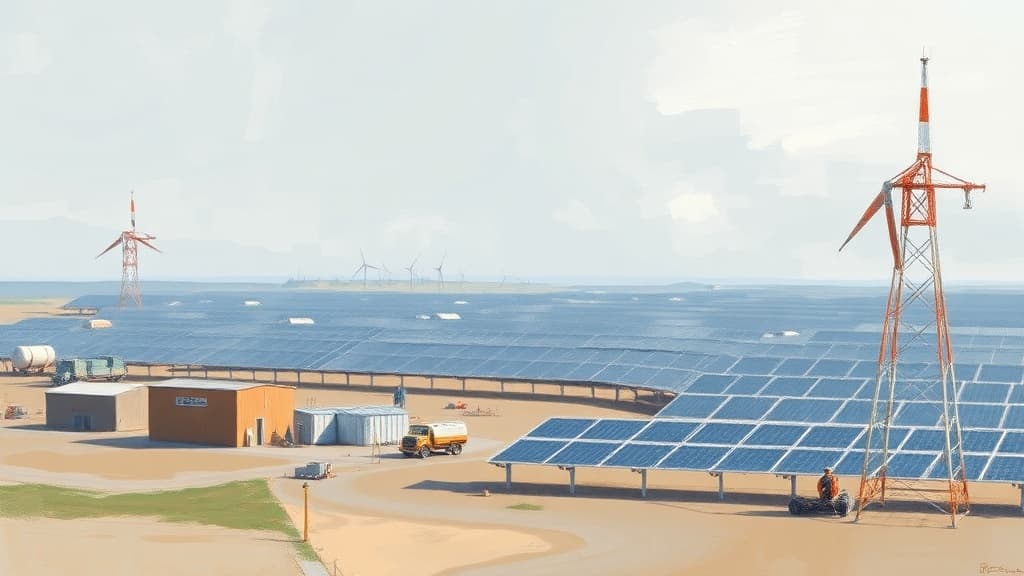
India is shifting its solar manufacturing subsidy from sales-linked production-linked incentives (PLI) to an upfront capital expenditure (capex) support model for wafers, ingots, and polysilicon. This strategy is aimed at boosting domestic production and is part of the country's goal to reach 500 GW of renewable energy by 2030.
The MNRE is negotiating power purchase agreements to address 43 GW of unsigned agreements and is developing financial-support schemes for floating solar and agri-photovoltaics. Additionally, the ministry is working on reducing curtailment issues by enhancing transmission infrastructure, with major lines expected to be commissioned by March 2026.



Comments