
India's Discoms Face Challenges in Integrating Renewable Energy at Distribution Level
India aims for 500 GW of non-fossil fuel capacity by 2030, with distribution companies (discoms) essential for integrating renewable energy. This transition introduces two-way power flows and complicates operations, as solar and wind generation variability impacts grid stability. Discoms are investing in improved forecasting, digital systems, and energy storage to manage these challenges. Policy support at various levels aims to enhance decentralized generation, while the role of consumers is becoming increasingly prominent in the distribution network.
 Theia Market Signal Identification - AI Assisted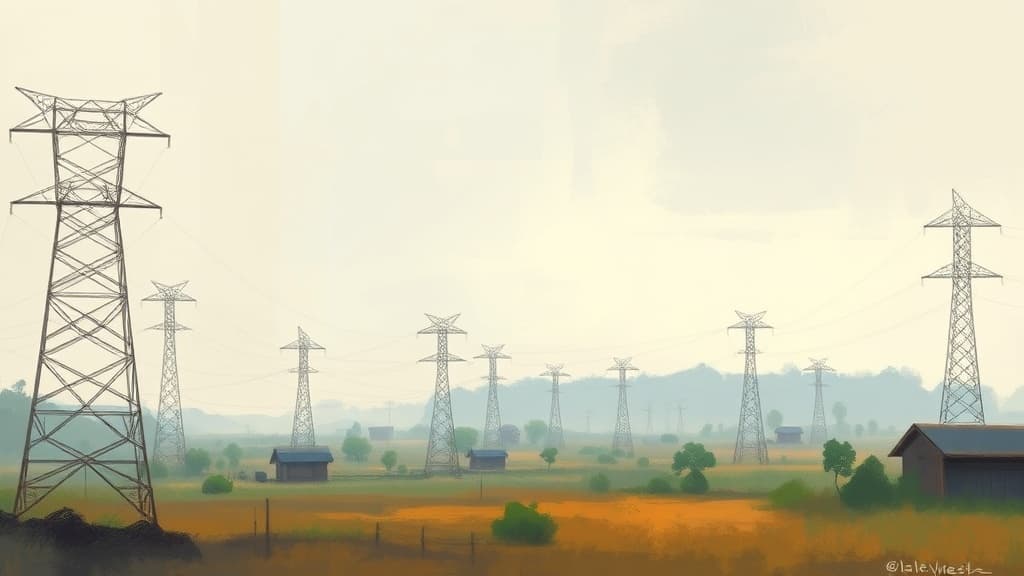
India's power sector is focusing on integrating renewable energy into distribution systems, targeting 500 GW of non-fossil fuel capacity by 2030. Distribution companies (discoms) are essential in converting renewable capacity into reliable power.
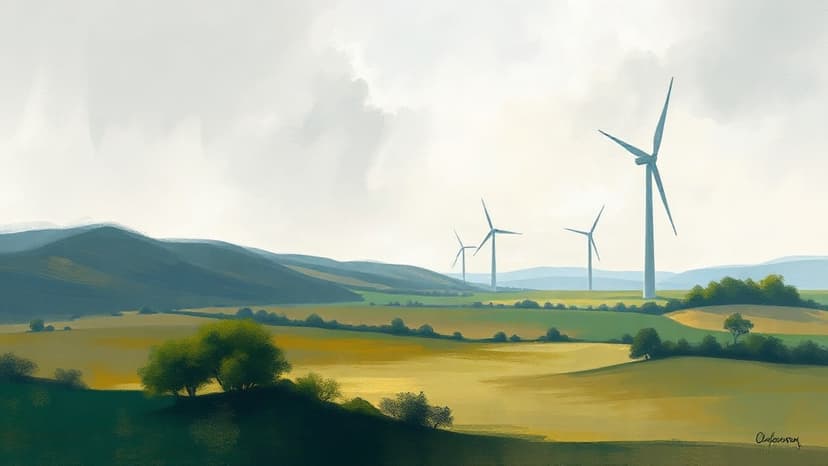
The rise of rooftop solar and open access procurement has increased complexity, leading to two-way power flows. Challenges include managing the variability of solar and wind, grid stability issues, and financial constraints.
Discoms are investing in advanced metering, forecasting, and energy storage to address these challenges. Policy support is encouraging decentralized generation and consumer participation. The effectiveness of discoms in adapting to a decentralized energy landscape will be crucial for future performance.
Comments