
India's EV Charging Stations Evolving into Smart Energy Hubs
India's EV charging network expanded with over 30,000 stations in 2025, yet most are not equipped for grid management. The shift to smart charging and vehicle-to-grid technology is essential for integrating renewable energy and preventing grid overload as EV adoption increases.
 Theia Market Signal Identification - AI Assisted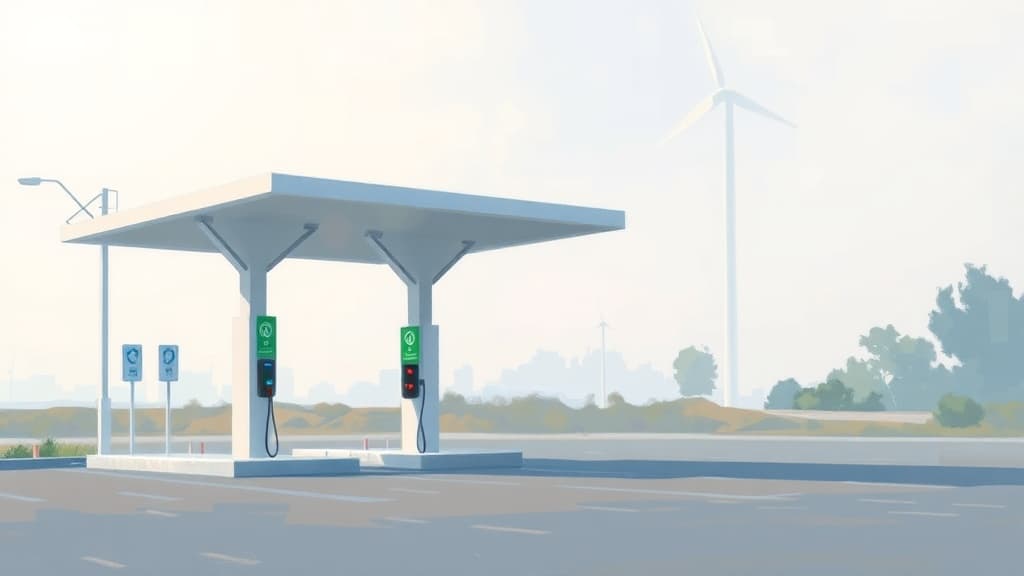
India's EV charging infrastructure needs to transition from passive outlets to active grid participants to support the country's target of 30% EV adoption by 2030. Vehicle-to-grid (V2G) technology allows for bidirectional energy flow, enabling charging stations to manage grid demand, optimize energy use, and implement dynamic pricing.
Smart charging and battery storage will assist in balancing supply and demand, particularly with the growing integration of renewable energy sources. Current challenges include regulatory frameworks and cost implications for battery systems, which require alignment of incentives between operators and utilities. Without these advancements, unmanaged EV charging could lead to grid instability and increased outages.




Comments