
Indonesia Faces Scrap Metal Supply Challenges Impacting Low-Carbon Steel Industry Development
Indonesia's low-carbon steel industry is facing significant challenges due to a temporary import ban on scrap metal linked to a radioactive contamination incident. This ban has disrupted the supply of essential ferrous and non-ferrous metals, hindering the transition to electric arc furnace technology crucial for reducing production costs and carbon emissions. Without clear import procedures, the industry's development could stall, threatening operational continuity and potentially leading to job losses.
 Theia Market Signal Identification - AI Assisted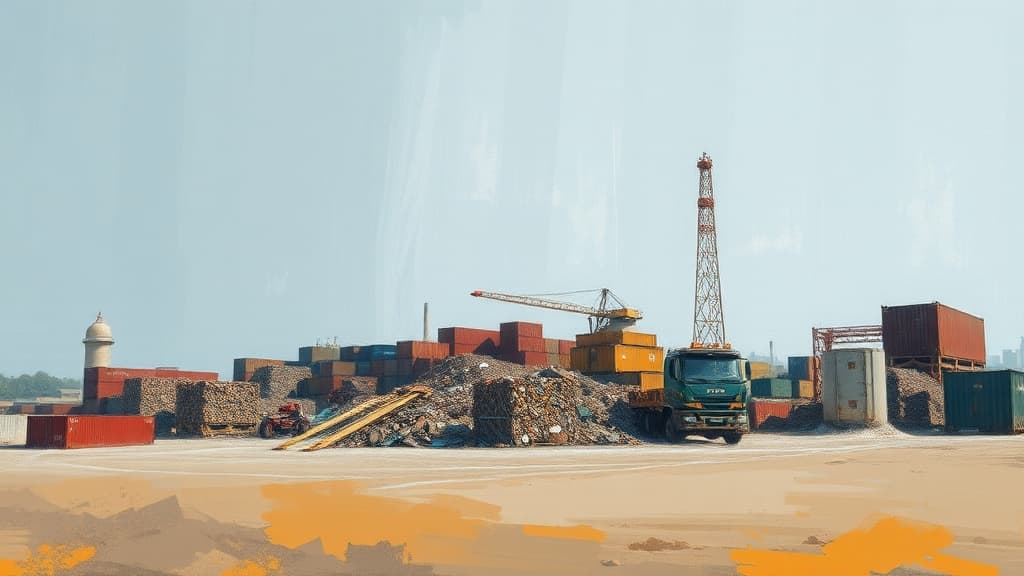
Indonesia's low-carbon steel industry development is at risk due to limited scrap metal supply following a temporary import ban linked to a radioactive contamination incident in October 2025. The shift towards electric arc furnace (EAF) technology, which relies on stable scrap metal availability, is seen as crucial for reducing production costs and carbon emissions.
The Executive Director of Celios, Bhima Yudhistira, warned that without clear import procedures, the transition to low-carbon steel could stall and burden businesses. The Indonesian Iron and Steel Association (IISIA) noted that the ban has strained the supply of both ferrous and non-ferrous metals, as local scrap quality and quantity are insufficient. Although the government agreed to allow imports if companies meet radiation monitoring requirements set in October 2025, no import recommendations have been issued yet, threatening operational continuity and potentially leading to job losses in the steel sector.

Comments