
Jakarta Declaration Calls for Global Protection of Uncontacted Peoples' Rights
Indigenous leaders from South America, Asia, and the Pacific gathered in Jakarta, Indonesia, to draft the Jakarta Declaration, aimed at strengthening the global alliance for uncontacted peoples' rights. The declaration urges governments and relevant actors to protect the lands of uncontacted peoples. The event, held from January 26 to 29, focused on the impact of nickel mining on Indigenous communities, particularly the Hongana Manyawa people in Indonesia, whose lands are threatened by the world's largest nickel mine operated by Weda Bay Nickel.
 Theia Market Signal Identification - AI Assisted
The Jakarta Declaration was created at the first International Indigenous Knowledge Exchange and Solidarity Gathering in Jakarta, Indonesia, from January 26 to 29. Indigenous organizations collaborated to advocate for the rights of uncontacted peoples, calling on governments to protect their lands.
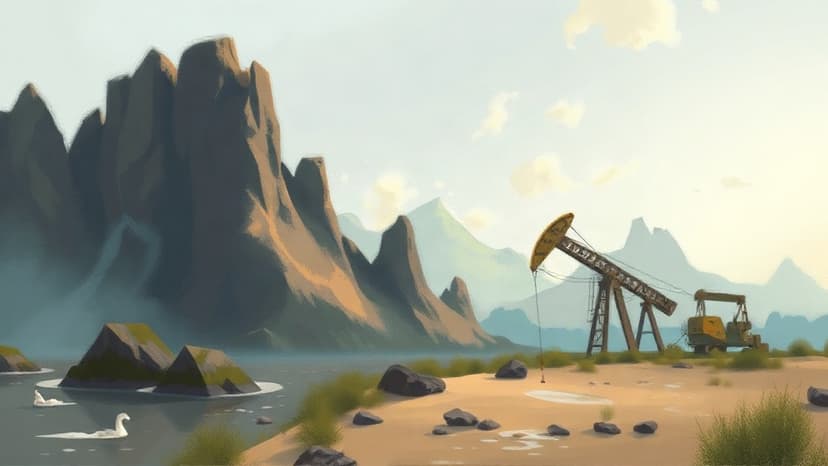
Key discussions centered on the threats posed by nickel mining, notably affecting the Hongana Manyawa people in Indonesia. The declaration emphasizes the need to ban extractive industries on uncontacted Indigenous lands, as these communities cannot provide consent for such activities. It also seeks to prohibit exploitation by external entities.

Comments