
Japan Conducts First Ship-to-Ship Methanol Fuel Transfer in Yokohama
On February 6, 2026, Japan achieved a milestone in maritime energy transition with its first successful ship-to-ship methanol fuel transfer. This operation, a public-private collaboration involving five stakeholders, took place at the Yokohama Keihin Port. Methanol fuel was transferred from a coastal tanker to a dual-fuel deep-sea vessel, marking a strategic advancement in operational flexibility for ship operators. The methanol used includes both fossil-based and domestically produced bio-methanol, highlighting Japan's shift towards local production of alternative fuels.
 Theia Market Signal Identification - AI Assisted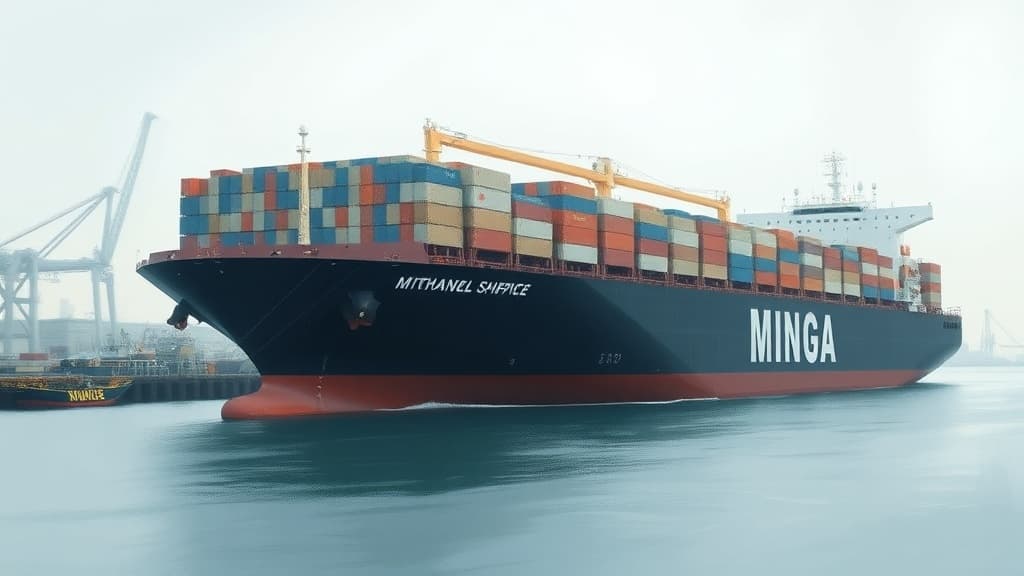
On February 6, 2026, Japan successfully completed its first ship-to-ship methanol fuel transfer at Yokohama Keihin Port. This operation, part of a public-private partnership, involved transferring methanol from a coastal tanker to a dual-fuel deep-sea vessel.
This capability allows ships to refuel while at anchor, improving operational flexibility and reducing port congestion. The methanol included domestically produced bio-methanol, positioning it as a carbon-neutral energy source.
The operation indicates a shift towards localized fuel supply chains, with Japanese maritime companies increasing their fleet of alternative fuel vessels. The successful transfer required a comprehensive regulatory framework established by Japan's transport and port authorities. The operation aligns with Yokohama's Carbon Neutral Port initiative, aiming for reduced emissions in marine energy systems.

Comments