
Japan Shifts Energy Strategy to Nuclear Maximisation and Renewables Post-Fukushima
Japan is revising its energy strategy to prioritize nuclear power, targeting a 20% contribution from nuclear sources by 2040, alongside a significant increase in renewables. The shift follows a heavy reliance on imported fossil fuels, with Fukushima prefecture aiming for 100% renewable energy by 2040 and achieving nearly 60% of its generation from renewables as of 2023. The government faces criticism for not endorsing a global fossil fuel phaseout at COP30, while local projects, including the Abukuma wind farm, support these energy goals.
 Theia Market Signal Identification - AI Assisted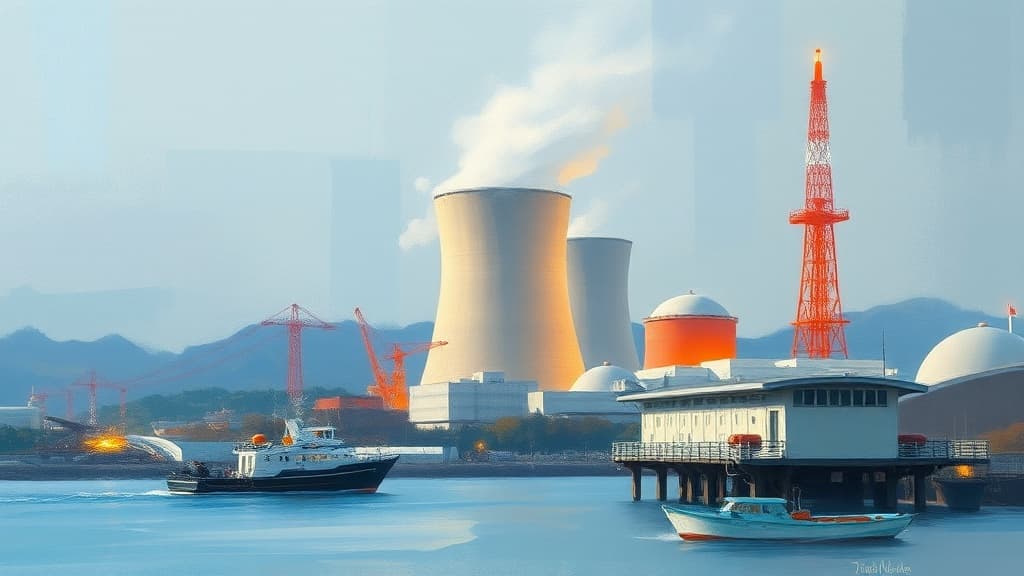
Japan is shifting its energy strategy to prioritize nuclear power 'maximisation' while increasing renewable energy sources. The government aims for nuclear energy to account for 20% of its energy output by 2040, with 30 reactors expected to be operational.
This change comes after significant reliance on imported fossil fuels, as Japan was the second-largest importer of liquefied natural gas and third-largest coal importer in 2023. Fukushima prefecture aims for 100% renewable energy by 2040, with a midterm target of 70% by 2030.
The Abukuma wind farm, Japan's largest onshore facility, began full operation in April 2025, costing ¥67bn. The prefecture's renewable energy generation has increased to nearly 60%, up from 23% in 2011. Japan's environment minister faced criticism for not supporting a global fossil fuel phaseout roadmap at COP30, while local geothermal projects also contribute to the region's energy goals.


Comments