
Japan's ENEOS Halts Synthetic Fuel Project Amid Economic Challenges
Japan's ENEOS Corporation made a significant advancement in synthetic fuel production using captured CO₂ and hydrogen but paused the project due to rising costs and infrastructure challenges. This decision underscores the economic hurdles facing the commercialization of synthetic fuels, which are critical for decarbonizing hard-to-electrify sectors like aviation and shipping.
 Theia Market Signal Identification - AI Assisted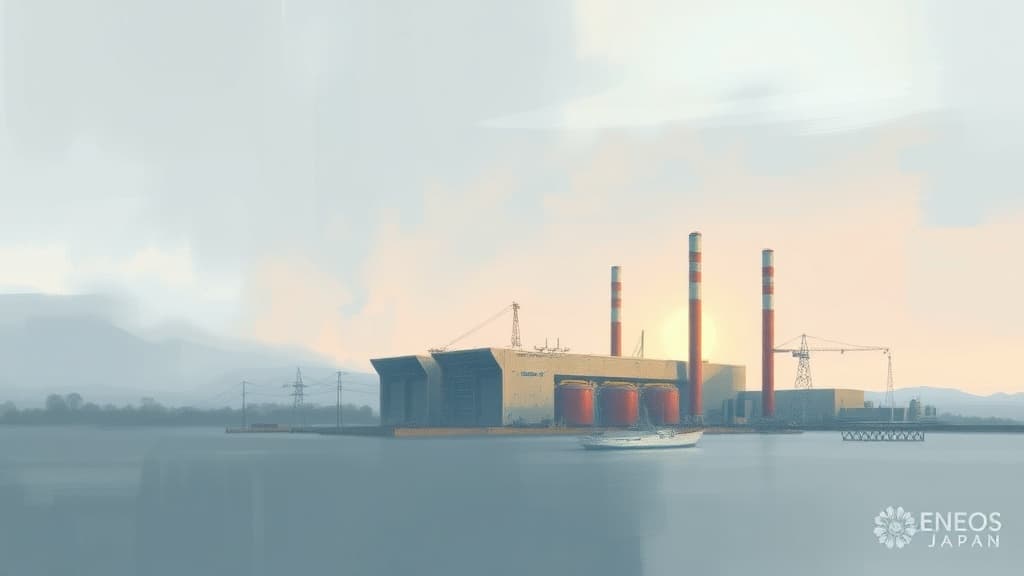
Japan's ENEOS Corporation achieved a breakthrough in producing synthetic fuel from captured CO₂ and hydrogen at its Yokohama demonstration plant, marking a potential shift in low-carbon energy systems. However, the project was paused in 2025 due to economic challenges, including high costs of green hydrogen production and infrastructure demands.
The facility currently produces approximately one barrel of fuel per day, with ambitions to scale to 10,000 barrels by 2040. Despite the feasibility of the technology, the overall process remains energy-intensive and costly compared to battery-electric alternatives.
The global energy sector is experiencing similar trends, with many synthetic fuel projects in pilot stages, indicating that while promising, e-fuels face significant economic barriers to widespread adoption. The future viability of synthetic fuels will depend on advancements in renewable energy costs, hydrogen production efficiency, and supportive policy frameworks.




Comments