
Japan's Energy Transition: Hydrogen and Ammonia versus Renewables
Japan's reliance on hydrogen and ammonia for decarbonisation contrasts with its growing renewable energy sector, which is projected to reach 36-38% of electricity generation by 2030. The nation must navigate the tension between fossil-fuel infrastructure and a more transformative renewable strategy to meet climate commitments.
 Theia Market Signal Identification - AI Assisted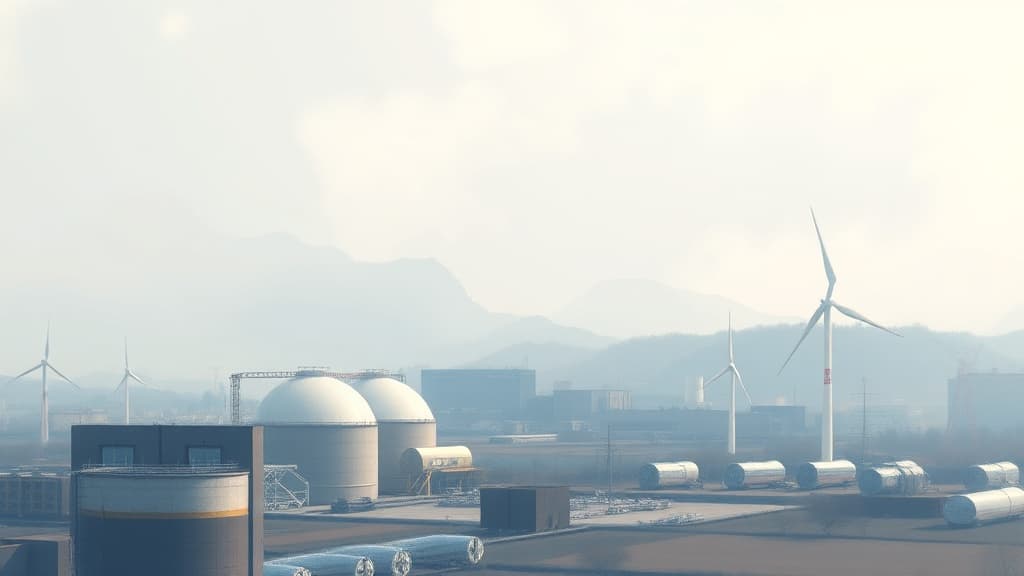
Japan's energy strategy is increasingly centered on hydrogen and ammonia, with these sources expected to contribute only 1% to the energy mix by the 2030s. Renewable energy is projected to account for 36-38% of electricity generation by 2030, yet investment remains uneven, with significant funding directed towards hydrogen infrastructure by major industrial players.
Japan's energy security concerns lead to an emphasis on hydrogen and ammonia, which can be integrated into existing systems without major disruptions. However, this reliance risks delaying renewable deployment and grid modernization.
The lack of a clear coal phase-out timeline raises tensions with international climate commitments. A balanced approach incorporating diverse stakeholder perspectives could enhance Japan's energy transition and reinforce its leadership in regional decarbonisation.



Comments