
Japan's Nuclear Energy Recovery 15 Years After Fukushima Faces Civilian Distrust
Fifteen years post-Fukushima, Japan is cautiously reintegrating nuclear energy into its energy mix, with 15 of 54 reactors authorized to operate. The recent restart of the Kashiwazaki-Kariwa plant faced local opposition due to the managing company TEPCO's past issues. The government aims for 20% of energy from nuclear by 2040, while addressing safety concerns and the legacy of the Fukushima disaster, which caused significant evacuations and fatalities indirectly linked to radiation fears.
 Theia Market Signal Identification - AI Assisted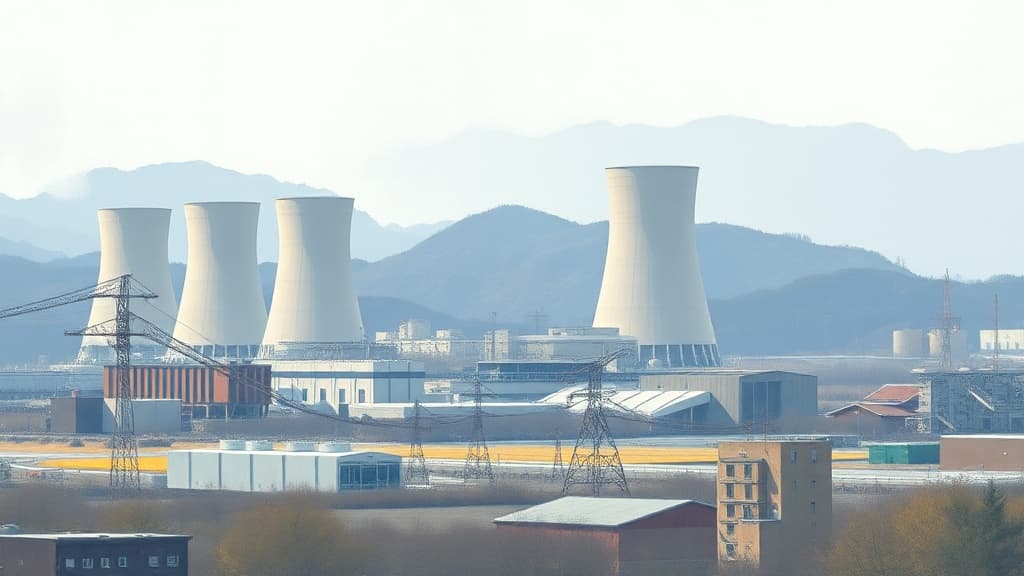
Japan is slowly reintegrating nuclear energy into its energy portfolio, 15 years after the Fukushima Daiichi accident. Currently, only 15 out of 54 reactors are authorized to operate, contributing nearly 9% of the nation's electricity.
The Kashiwazaki-Kariwa plant recently restarted after local approval was secured, despite public skepticism towards TEPCO, the managing company. The government targets 20% nuclear energy by 2040, while focusing on safety and environmental concerns.
The Fukushima disaster led to significant evacuations and an estimated 2,339 deaths related to the nuclear crisis. TEPCO's financial responsibility for the disaster has reached $119 billion.


Comments