
Kapiro Farm's $10.5M Sheep of the Future Project Aims for Sustainable Breeding
Kapiro Farm in Northland is conducting a seven-year, $10.5 million project to breed an economically viable and environmentally friendly sheep. The Sheep of the Future program, in collaboration with the Ministry for Primary Industries and Pāmu, focuses on traits such as growth performance, disease resilience, and methane emissions. Breeding includes various breeds like Wiltshire and Exlanas, with an emphasis on producing a visually acceptable and low-maintenance animal. The project aims to provide data-driven insights into sheep farming sustainability.
 Theia Market Signal Identification - AI Assisted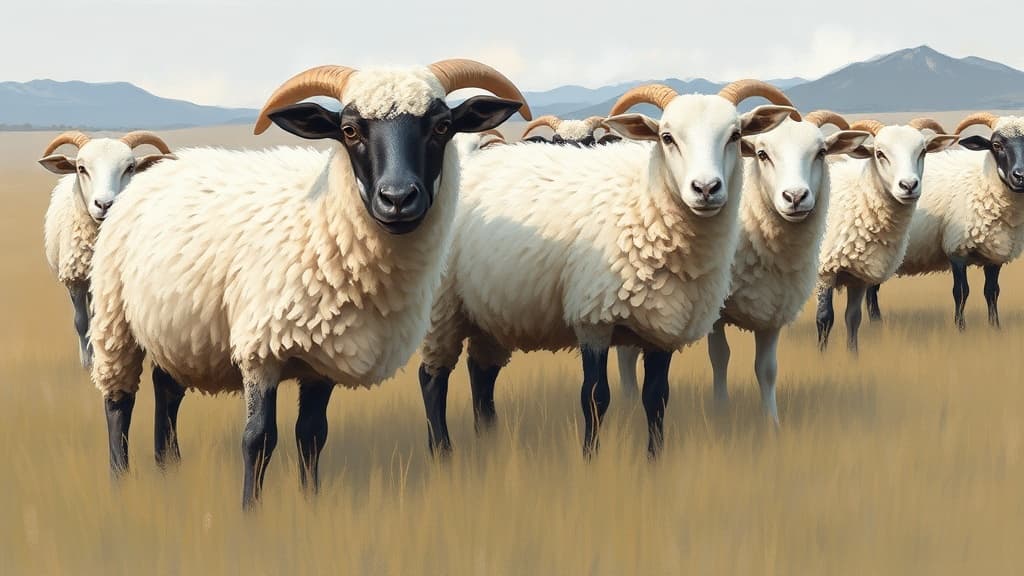
Kapiro Farm in Northland is five years into a seven-year, $10.5 million project to develop a sustainable sheep breed. The Sheep of the Future program involves collaboration with the Ministry for Primary Industries and Pāmu, focusing on traits including growth performance, disease resilience, and methane emissions.
Breeders are currently mating fifth-generation ewes from a flock of 2000 Romney sheep with at least 12 different breeds, including Wiltshire and Exlanas. The goal is to create a sheep that is easy to care for and meets market aesthetics while maintaining competitive growth rates. The program emphasizes data collection on methane emissions and feed conversion to inform breeding decisions.




Comments