
LNG Canada Considers Phase 2 Expansion Amid Environmental Scrutiny and Regulatory Challenges
LNG Canada, led by Shell, is evaluating a proposed Phase 2 expansion of its Kitimat facility, which could double its export capacity. A final investment decision is anticipated in 2026, contingent on regulatory approvals and greenhouse gas emission caps. The expansion is part of a larger effort to advance natural resource projects in British Columbia, aligning with provincial and federal goals. Additionally, various energy and infrastructure projects are underway across Canada, including a nuclear reactor development and a major port expansion, highlighting the government's push for economic growth and resource management.
 Theia Market Signal Identification - AI Assisted
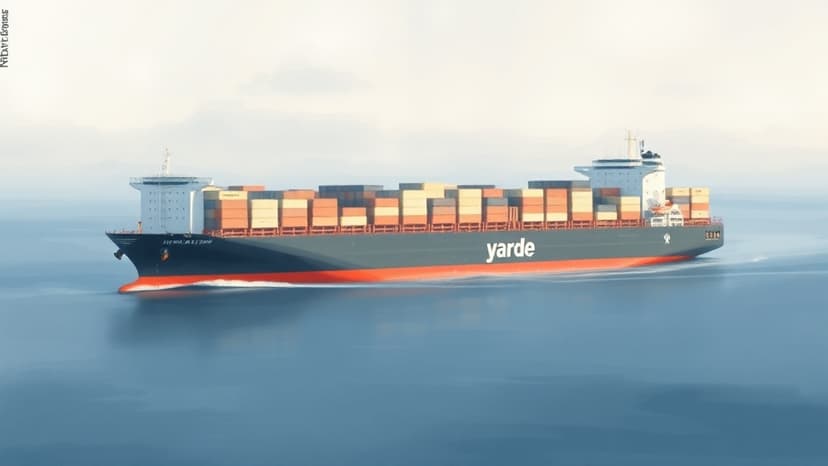
LNG Canada, under the leadership of Shell, is contemplating a significant Phase 2 expansion of its Kitimat facility, which could potentially double its liquefied natural gas (LNG) export capacity. Since commencing shipments to Asia in June, this facility has already marked a historic milestone as Canada's inaugural LNG export terminal. The consortium, which includes partners such as Petronas, PetroChina, Mitsubishi Corporation, and Kogas, is expected to reach a final investment decision by 2026, subject to a thorough evaluation of regulatory frameworks and greenhouse gas emissions targets set by the federal and British Columbia governments.
The initial phase of the LNG Canada project incurred costs of approximately $48.3 billion, encompassing the construction of the Kitimat terminal and the Coastal GasLink pipeline, which stretches over 670 kilometers to connect northeastern British Columbia to the coast. TC Energy, which operates Coastal GasLink, has indicated that the pipeline could theoretically double its export capacity without necessitating additional pipeline infrastructure, though adding six new compressor stations would entail substantial investment.
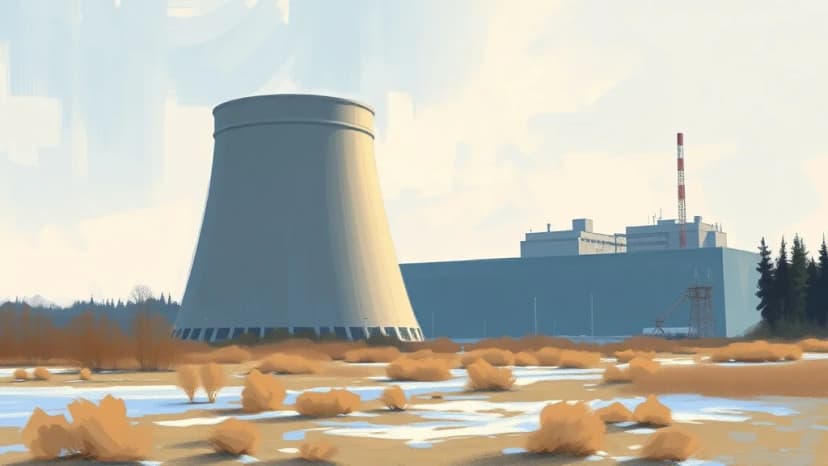
In parallel, the Canadian energy landscape is evolving with additional projects aimed at bolstering the nation’s role in sustainable energy and resource management. The Darlington nuclear project in Ontario is progressing with plans for four new reactors, while the Port of Montreal's major expansion in Contrecoeur has garnered federal priority support. This initiative is poised to enhance container handling capacity and create thousands of jobs, addressing both economic needs and rising tariffs from the U.S.
Meanwhile, Foran Mining Corp's McIlvenna Bay project is on track to establish Canada’s first net-zero emission copper operation, emphasizing the importance of critical minerals for the transition to electric vehicles and green infrastructure. The project is designed to respect Indigenous rights, having secured a partnership with the Peter Ballantyne Cree Nation.
In British Columbia, Newmont Corp's Red Chris mine expansion is also under scrutiny, as it shifts from an open-pit to an underground operation. This initiative, expected to create significant employment opportunities, is seen as critical for enhancing Canada's supply of copper for sustainable technologies, while also addressing reconciliation with Indigenous communities.
These developments together reflect a concerted effort by Canada to navigate the complexities of energy production, environmental sustainability, and Indigenous collaboration, all while striving to maintain economic competitiveness in a rapidly changing global market.
Comments