
Namibia Plans Major Hydrogen Facility Amid Environmental Concerns for Ecosystems
Namibia is advancing plans for a large hydrogen production facility in the Namib Desert, a region critical for African penguins. While the project aims to enhance the country’s position in the clean hydrogen market, it raises environmental concerns about its impact on local wildlife habitats. Critics question the project's environmental sustainability versus its economic benefits. Concurrently, Senegal is modernizing its railway infrastructure to boost logistics and trade, with ongoing projects supporting regional connectivity and economic development.
 Theia Market Signal Identification - AI Assisted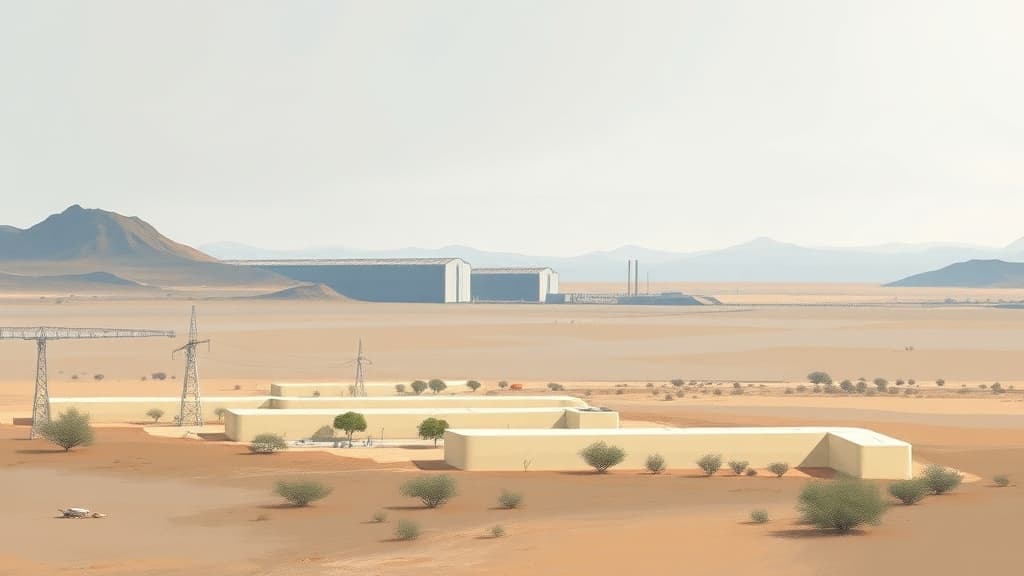
Namibia is set to construct one of the largest hydrogen production facilities in the Namib Desert, a region vital for African penguin habitats. This project faces environmental scrutiny due to potential disruptions to fragile ecosystems and the endangered seabird populations.
While proponents highlight its role in the clean hydrogen market and job creation, critics challenge its environmental legitimacy. In a separate initiative, Senegal is modernizing its rail infrastructure, with the Dakar-Tambacounda line nearing completion.
This effort is part of a broader strategy to enhance logistics and economic connectivity in West Africa, aiming for better transport of natural resources and improved regional trade integration. The African Development Bank is also launching a Country Strategy Paper for Namibia focused on financing key sectors like renewable energy and infrastructure to support economic transformation.

Comments