
NASA's Artemis II Completes Crewed Lunar Flyby, Paving Way for Future Lunar Presence
Following the successful Artemis II mission, NASA aims to establish a permanent lunar base by deploying nuclear systems for power and propulsion. The initiative is critical for future manned missions to Mars and enhancing capabilities in deep space exploration.
 Theia Market Signal Identification - AI Assisted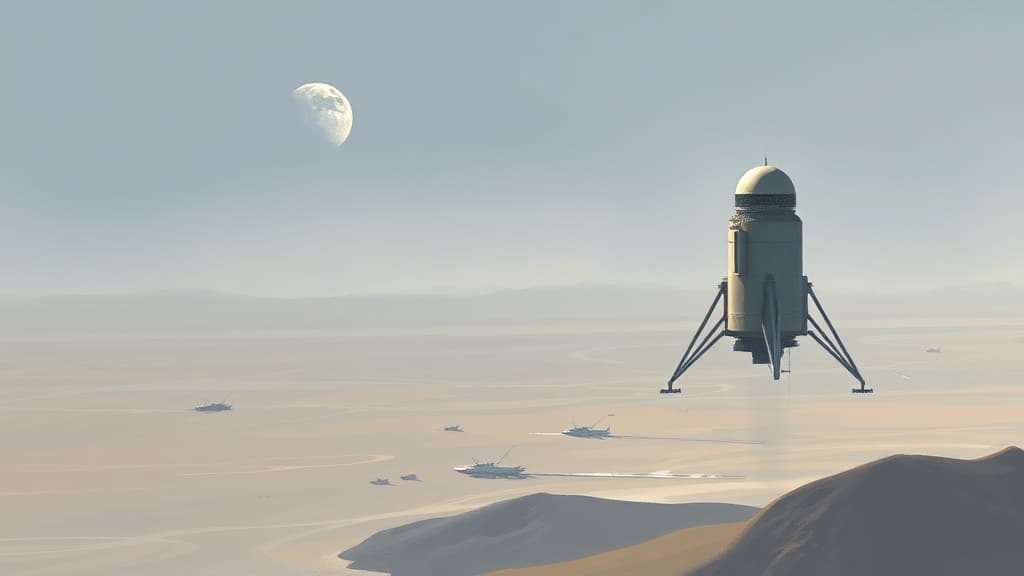
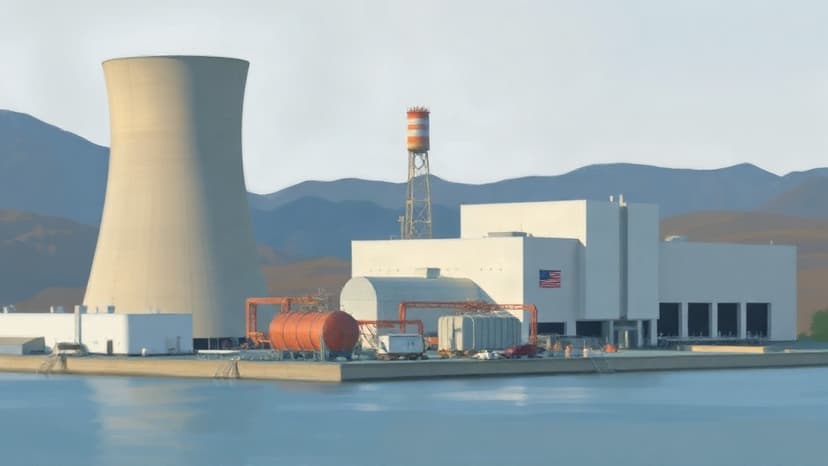
NASA's Artemis II mission marked the first crewed lunar flyby in over 50 years, successfully testing critical systems for human survival in deep space. In support of long-term lunar operations, the U.S. plans to deploy nuclear reactors in orbit and on the Moon by the decade's end, as outlined in Executive Order 14369 and the National Initiative for American Space Nuclear Power (NSTM-3).
Nuclear power is essential for sustained operations in extreme environments, particularly during periods of limited solar power, like lunar nights. The Artemis missions will transition from flybys to landings, establishing a presence on the Moon.
However, significant regulatory challenges regarding nuclear deployment must be addressed to facilitate commercial use. This evolution in space exploration could reshape energy use and operational capabilities in deep space.



Comments