
NASA's F-16XL: From Strike Fighter to Research Aircraft
The F-16XL, a modified version of the F-16, demonstrated enhanced payload and range but lost to the F-15E in military competition. After military evaluation, NASA repurposed the aircraft for research on high-speed aerodynamics and sonic boom mitigation.
 Theia Market Signal Identification - AI Assisted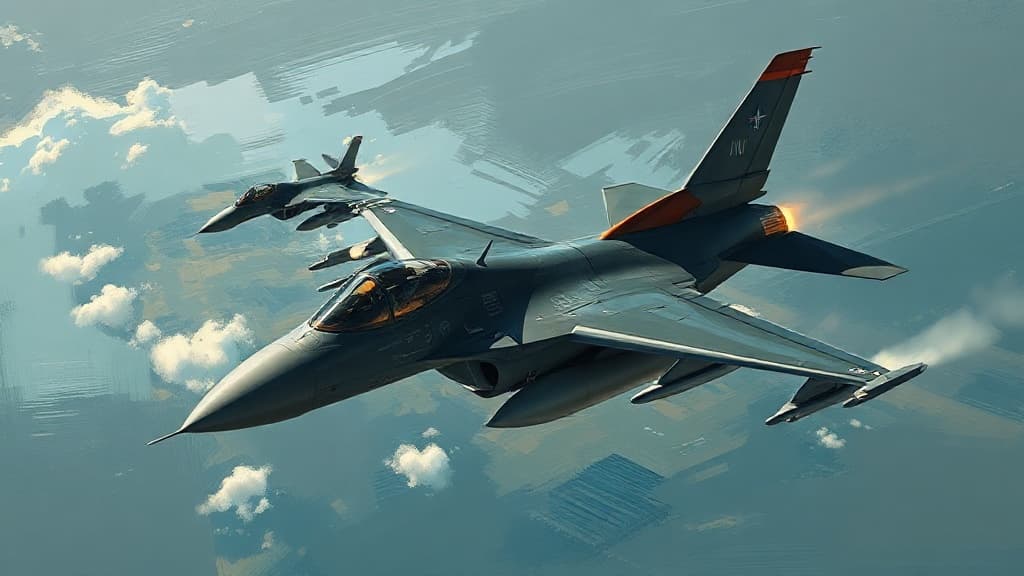
The F-16XL, developed by General Dynamics with an investment of $65.4 million, first flew on July 3, 1982. It featured a cranked-arrow wing, significantly larger than the standard F-16, allowing it to carry heavier payloads and internal fuel.
Despite these advancements, the XL lost the Air Force's dual-role fighter competition to the twin-engine F-15E, primarily due to its limited performance in sustained high-g turns and longer takeoff distances. Following its military career, NASA acquired both prototypes for research, focusing on supersonic laminar flow and sonic boom studies. The aircraft provided valuable insights despite never entering production, highlighting the potential of advanced aerodynamic designs for future aviation applications.




Comments