
Netanyahu Faces Political Backlash After U.S. Halts Israeli Airstrikes on Hezbollah
Israeli Prime Minister Benjamin Netanyahu's political standing is jeopardized following U.S. intervention to stop airstrikes on Hezbollah. As national elections approach, criticism arises from both opposition leaders and members of his coalition, highlighting potential shifts in Israeli military autonomy.
 Theia Market Signal Identification - AI Assisted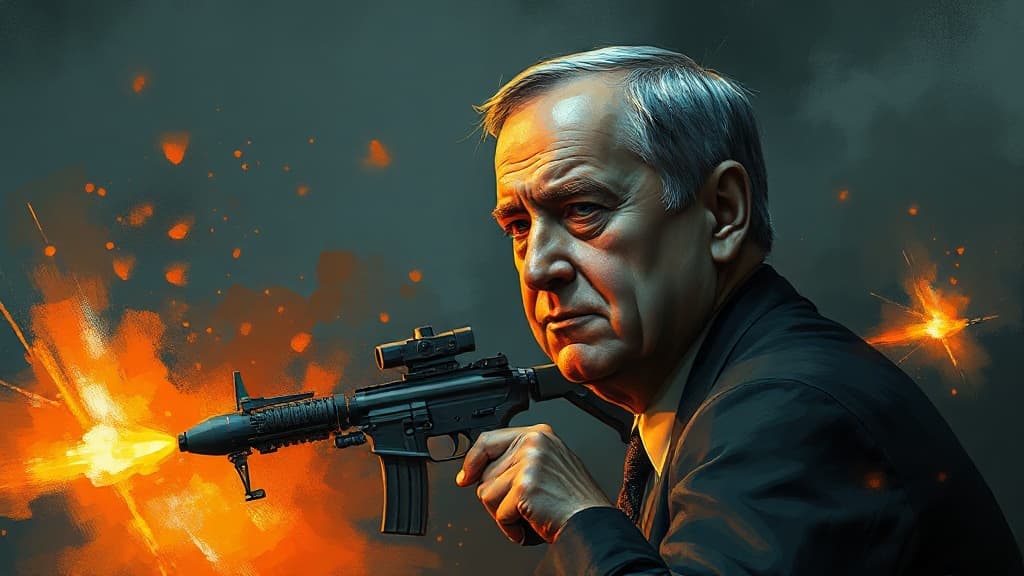
U.S. President Donald Trump's intervention led to the cessation of planned Israeli airstrikes on Hezbollah in Beirut, affecting Netanyahu's political stability as elections near in October. The ceasefire agreement, announced after Netanyahu ordered strikes, was framed as a U.S.-brokered deal requiring Israel to halt bombardments in exchange for Hezbollah's restraint.
Criticism from political opponents intensified, with figures like Naftali Bennett and Yair Lapid accusing Netanyahu of compromising Israeli sovereignty. Defense Minister Israel Katz affirmed Israel's military posture remains intact, warning that any Hezbollah attacks would prompt immediate retaliation. The U.S. also plans to train Lebanese forces against Hezbollah, amidst ongoing tensions in the region and conflicting narratives from both Israeli and Iranian sources.




Comments