
New Zealand Moves Forward with First Supercritical Geothermal Exploration at Rotokawa Reservoir
New Zealand has designated the Rotokawa geothermal reservoir in the Taup volcanic zone as the site for its first supercritical geothermal exploration, with design work already in progress. This initiative, backed by a $60 million government commitment, aims to test the viability of supercritical geothermal energy, which could yield significantly higher power outputs than conventional sources. The project involves collaboration among local iwi, government, and private industry, emphasizing cultural stewardship alongside innovative energy solutions. Drilling is expected to commence within 18 to 24 months.
 Theia Market Signal Identification - AI Assisted
New Zealand is set to embark on an ambitious journey into the realm of supercritical geothermal energy with plans to drill its first exploratory well at the Rotokawa geothermal reservoir, located in the Taup volcanic zone. This groundbreaking initiative, announced by Regional Development Minister Shane Jones, signifies a pivotal move towards harnessing a clean and renewable energy source that could substantially bolster the nation’s energy security. Design work has already commenced, reflecting a commitment to innovative energy solutions.
The selection of the Rotokawa site follows rigorous geological and geophysical assessments conducted by Earth Sciences New Zealand, which confirmed its suitability for supercritical geothermal exploration. This form of energy taps into extreme pressure and temperature zones located one to three kilometers beneath the Earth's surface, potentially offering several times the energy output of traditional geothermal wells. If successful, this venture could redefine New Zealand’s approach to sustainable power generation.
The Rotokawa site holds deep cultural and historical significance for the Tauhara North No 2 Trust, the guardians of these geothermal resources. For generations, local communities have relied on geothermal energy for essential activities such as cooking, bathing, and healing.
Recognizing this heritage, a memorandum of understanding has been established between the Trust, the Ministry of Business Innovation and Employment, and Mercury NZ, the operator of the Rotokawa geothermal power station. This partnership not only underscores the importance of cultural guardianship over geothermal resources but also highlights a collaborative effort between iwi, government agencies, and the private sector.
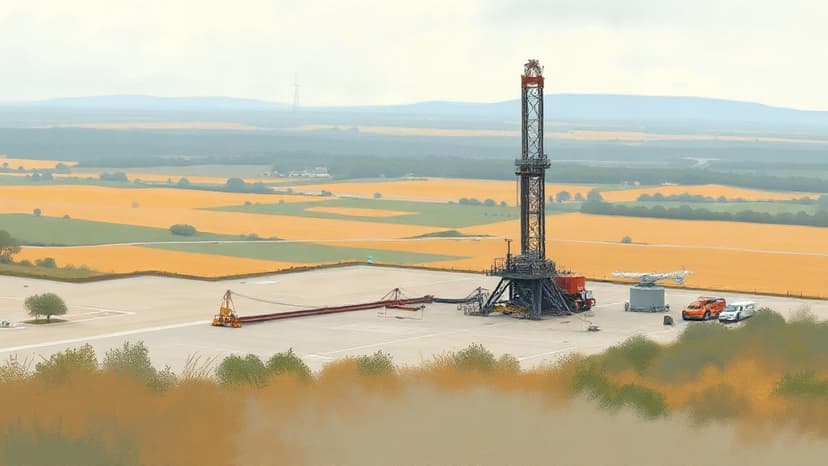
The technical challenges associated with drilling into supercritical zones are considerable. Engineers will face higher temperatures, extreme pressures, and complex geoscientific conditions, necessitating a multidisciplinary team of experts to oversee the project’s various aspects, including regulatory approvals, risk assessments, and engineering.
The coalition government has pledged up to $60 million from the regional infrastructure fund to support the development of the first well, with plans for a total of three exploratory wells deemed essential for a comprehensive understanding of the energy resource. Initial phases will concentrate on pre-feasibility studies, detailed well design, and site validation, with drilling anticipated to begin within the next 18 to 24 months.
If this venture proves successful, it could transform New Zealand’s energy landscape by significantly increasing renewable electricity generation capacity. Moreover, it positions the country to lead the global charge in geothermal innovation, showcasing its commitment to sustainable energy development. The safe conversion and commercialization of supercritical geothermal energy represents the next frontier, one that promises to strengthen New Zealand's energy security and establish it as a beacon of renewable energy advancements worldwide.


Comments