
OECS Commission Launches Feasibility Study to Enhance Renewable Energy and Energy Security through Geothermal Resources
The Organisation of Eastern Caribbean States (OECS) Commission is initiating a comprehensive feasibility study to acquire a geothermal drill rig for shared use among its member states. Conducted by Italian firm ELC Electroconsult, the study aims to bolster renewable energy development and reduce reliance on imported fuels, addressing economic vulnerabilities. Dominica is set to complete a geothermal power plant by year-end, which will supply nearly half of its electricity needs. The findings will evaluate the feasibility of shared ownership models and operational logistics, aiming to make geothermal energy more accessible and economically viable.
 Theia Market Signal Identification - AI Assisted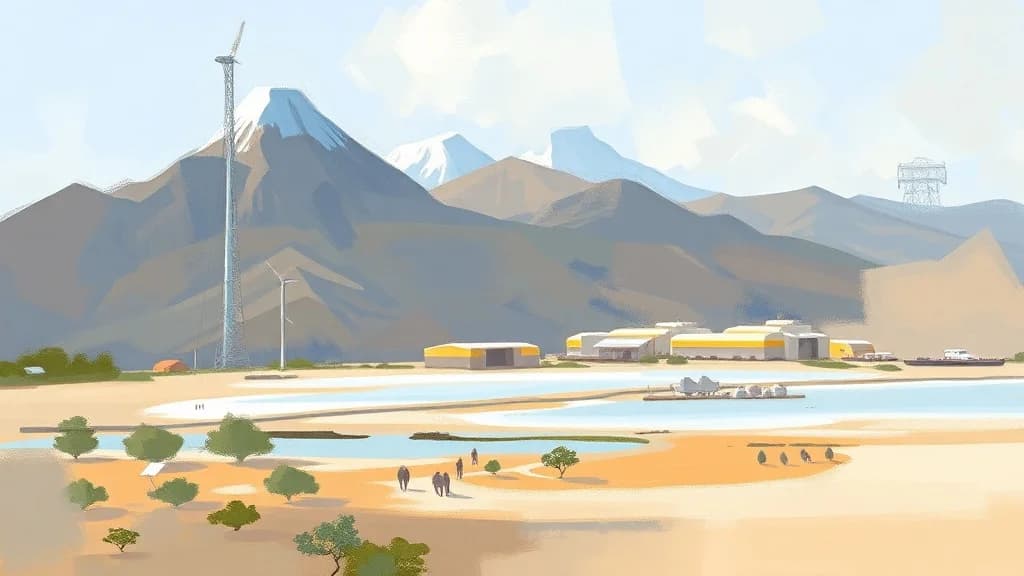
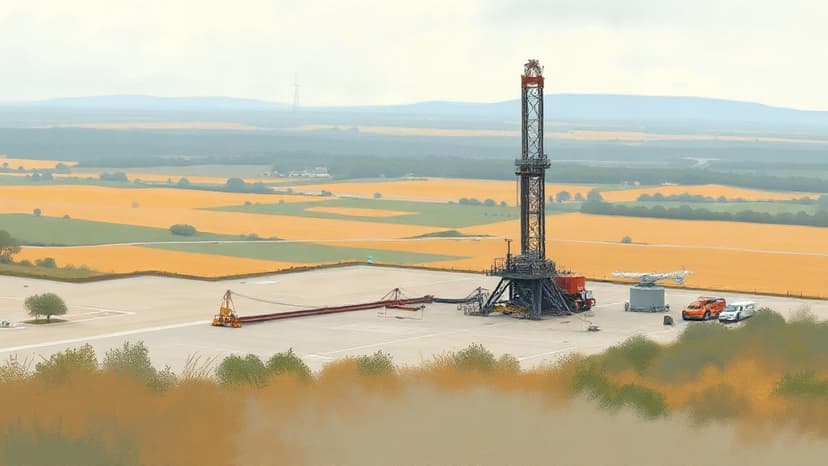
The Organisation of Eastern Caribbean States (OECS) Commission is taking significant strides to enhance energy security and transition towards renewable energy sources through a newly launched feasibility study focused on acquiring a geothermal drill rig for use by its member states. This initiative is being spearheaded by the Italian engineering firm ELC Electroconsult, which is among six consultancies selected to provide technical guidance under the OECS Geobuild programme—a response to the urgent need to curtail the region's dependence on costly imported petroleum.
The push for geothermal energy development arises from the pressing economic pressures and high energy costs that have long plagued the Eastern Caribbean. As a case in point, Dominica is on track to launch a geothermal power plant by the end of the year, which is anticipated to fulfill nearly half of the country’s daily electricity requirements.
This project exemplifies the potential of geothermal resources, which are abundant in several OECS member states, including Grenada, St. Kitts and Nevis, Saint Lucia, St. Vincent and the Grenadines, and Montserrat, all benefiting from their volcanic origins.
The feasibility study will assess the technical and economic viability of sharing a drill rig among member states, addressing a significant barrier to advancing geothermal projects. It will explore various ownership and financing models, including public-private partnerships, while also identifying logistical, regulatory, and capacity-building needs vital for successful implementation. The OECS Commission has articulated its commitment to developing the technical and institutional frameworks necessary for accelerating geothermal project deployment, supported by funding from the Caribbean Development Bank, Inter-American Development Bank, and the European Union's Caribbean Investment Facility.
Among the challenges highlighted are the complexities associated with transporting heavy drilling equipment across multiple islands. The study aims to provide evidence-based recommendations to ensure that the adopted solutions are cost-effective and tailored to the unique circumstances of OECS member states. Notably, the high costs associated with mobilizing and demobilizing rigs from external locations are a major consideration, and by owning or sharing a rig, member states could feasibly distribute these expenses across various projects, making geothermal energy more economically viable.
The successful development of geothermal resources in the region holds promising potential for stability in electricity pricing, reduced dependence on fossil fuels, and enhanced energy security. Moreover, it presents opportunities for job creation, skills development, and even energy exports, thereby fostering regional economic growth. As Dominica prepares to operationalize its 10-megawatt plant in the picturesque Roseau Valley by January 2026, the promise of renewable energy becomes increasingly tangible for the people of the OECS, heralding a new era of energy independence and resilience.


Comments