
P-51D Seahorse Testing Reveals Carrier Limitations
The P-51D Mustang's carrier testing highlighted its unsuitability for US Navy operations. Despite modifications, the aircraft lacked essential features for carrier service.
 Theia Market Signal Identification - AI Assisted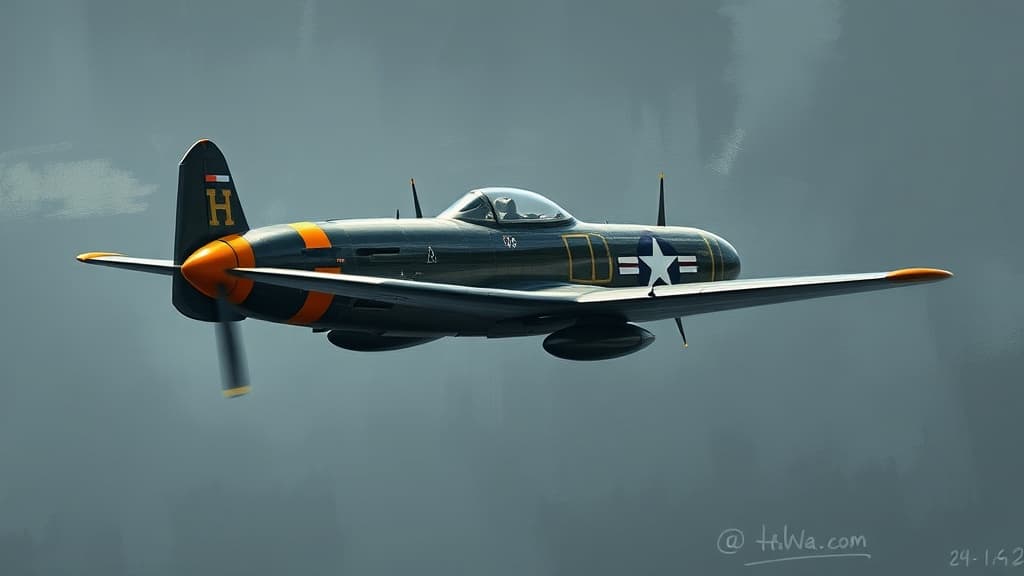
The P-51D Mustang, designated 44-14017, underwent naval modifications in 1943 under Project Seahorse to assess its viability for carrier operations. Flight testing occurred at Mustin Field in October 1944, simulating carrier landings with markings and equipment for catapults and arresting cables.
Lt. Robert M. Elder successfully completed multiple takeoffs and landings during these tests, but the P-51D proved unsuitable for Navy flat tops due to its non-folding wings, absence of a catapult connection, and vulnerability to corrosion. As the development of the ultra-long-range P-82 Twin Mustang lagged, the Navy's interest shifted towards the FJ Fury jet, marking a transition away from propeller-driven fighters.



Comments