
Prime Minister Carney's Infrastructure Projects: A Modest Proposal Amid Regulatory Challenges
Prime Minister Mark Carney announced five infrastructure projects, but they are largely existing initiatives hindered by regulatory delays. The new Major Projects Office and Indigenous Advisory Council will add layers of scrutiny and align with climate goals, raising concerns about increased red tape. While Carney referenced past rapid construction successes, critics argue that current policies have stifled investment and growth. Notably absent from the proposals are significant projects like pipelines, which are vital to Canada's economy, particularly in the oil and gas sector.
 Theia Market Signal Identification - AI Assisted
In a recent press conference, Prime Minister Mark Carney unveiled five infrastructure projects that, despite his grand rhetoric, are more notable for their modest scope than for any groundbreaking innovation. These initiatives are not new; many have languished in Canada's regulatory labyrinth for years, facing the daunting scrutiny of both the new Major Projects Office and an Indigenous Advisory Council designed to ensure compliance with liberal climate goals.
Carney’s references to some of Canada’s historic accomplishments—like the construction of the national railway and the rapid completion of Expo 67—served as a nostalgic backdrop to his call for a return to ambitious building. He lamented the burdensome red tape that has plagued major infrastructure projects, attributing the delays to a convoluted approval process that has increasingly stifled investment. Yet, he conveniently overlooked that much of this regulatory framework was established or expanded under his own party's governance over the past decade.
The Fraser Institute’s findings on the heavy regulatory burden faced by the extraction sector underscore a significant reason behind declining business investment. Carney's announcement also included the formation of an Indigenous Advisory Council aimed at guiding the Major Projects Office. While this council may bring valuable perspectives, it also introduces additional layers of oversight that could further complicate and lengthen project timelines.
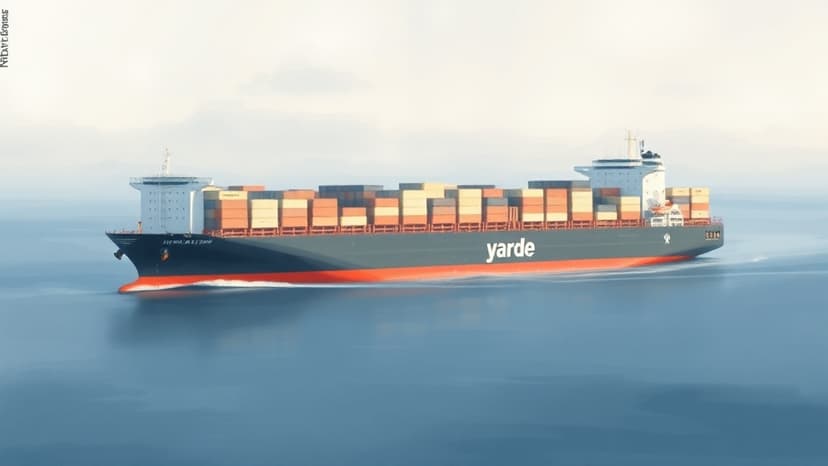
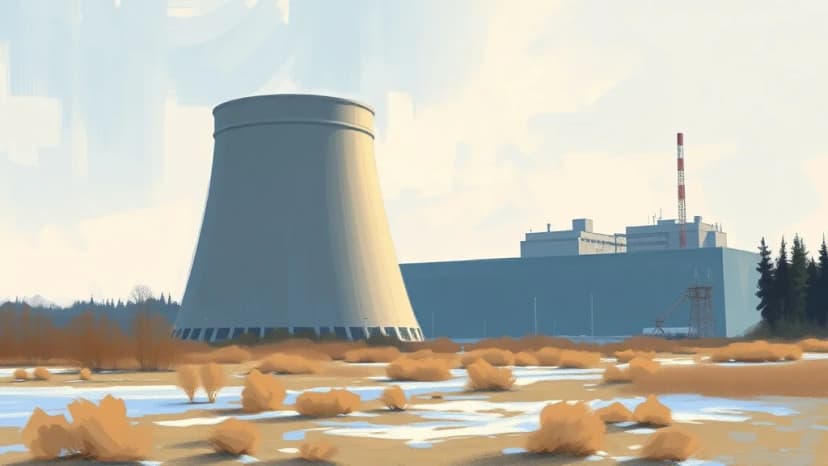
The projects themselves—expansions of the Red Chris mine, construction of the McIlvenna Bay copper mine, the Montreal port expansion, a small modular reactor in Clarington, and the LNG Canada terminal—are far from the transformative infrastructure that Canada needs. The absence of major initiatives like pipelines, which are crucial for the oil and gas sector, suggests a reluctance to embrace the very solutions that could bolster the economy.
Carney acknowledged the upcoming challenges posed by a global economy in flux, hinting at a protective stance toward Canadian industry. His assertion that the future lies in building with Canadian materials and labor reflects a growing focus on national resilience. However, this approach raises questions about its effectiveness, particularly for sectors that are currently struggling, such as oil and gas.
As Europe looks to Canada for energy solutions, the hesitation to invest in pipeline infrastructure contradicts the urgent needs of the market. If Carney genuinely aims for a revitalized Canadian economy, he may need to reconsider his own stance on regulatory hurdles and the imperative of major infrastructure development. Until then, his promises of progress may ring hollow amidst a backdrop of increased scrutiny and red tape.

Comments