
Small-Scale LNG Development in Mexico: Opportunities and Challenges
Small-scale LNG in Mexico is poised to enhance energy access for industries lacking pipeline infrastructure. This approach enables rapid deployment and fuel cost savings, displacing diesel in heavy transport and backup power generation.
 Theia Market Signal Identification - AI Assisted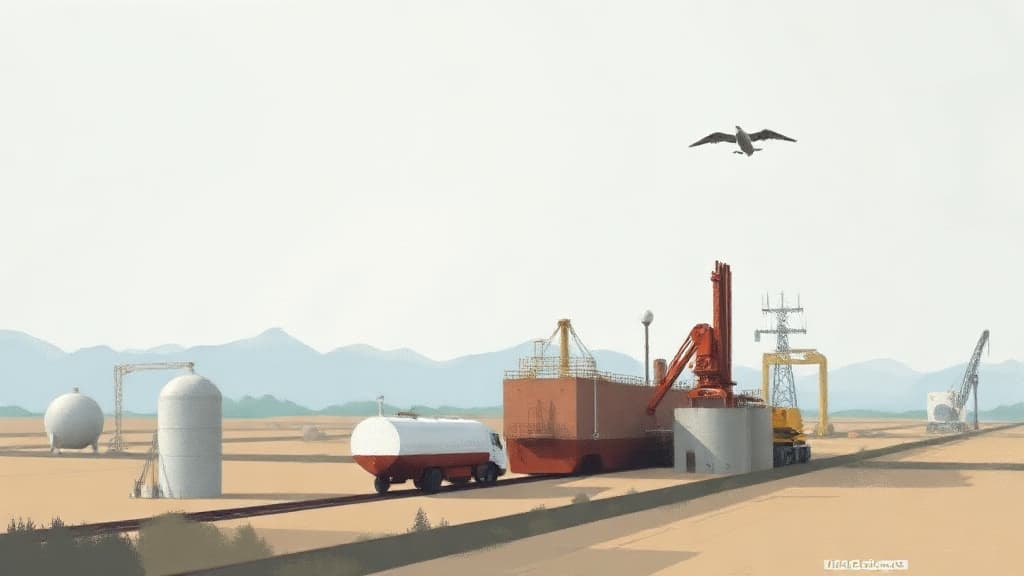
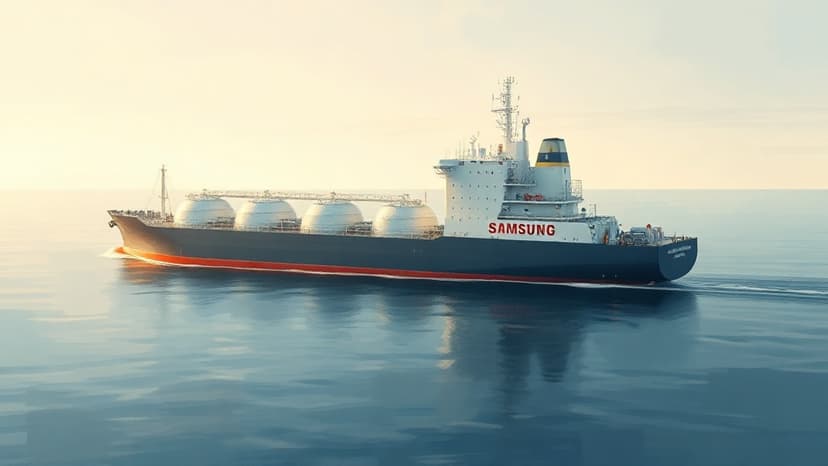
Mexico's increasing natural gas demand highlights the limitations of its transport network, SISTRANGAS, which is mainly focused on historical corridors. Small-scale LNG offers a solution by liquefying natural gas at low-capacity terminals and transporting it efficiently to end users.
Unlike large-scale LNG projects, this model targets domestic markets, allowing for quicker implementation with investment cycles of 12 to 24 months. The economic viability of vehicular LNG is evident in Mexico's heavy freight transport sector, where operating savings can significantly lower costs.
However, the financing landscape for these projects remains a challenge, necessitating innovative funding structures and regulatory support. Addressing risks such as pipeline obsolescence and regulatory compliance will be crucial for the successful integration of small-scale LNG into Mexico's energy framework.


Comments