
South Korean and US Researchers Develop Transparent EMP Shielding Windows for Critical Infrastructure
Researchers from South Korea and the United States have developed transparent windows embedded with metal mesh films that provide effective electromagnetic pulse (EMP) shielding, addressing vulnerabilities in critical infrastructure. Led by Professor Chang Won Jung, the design achieves over 60 decibels of attenuation for civilian use and exceeds 80 decibels for military applications, operating passively without external power. This innovation marks a significant advancement in multifunctional materials, enhancing security measures against EMP threats in various architectural settings.
 Theia Market Signal Identification - AI Assisted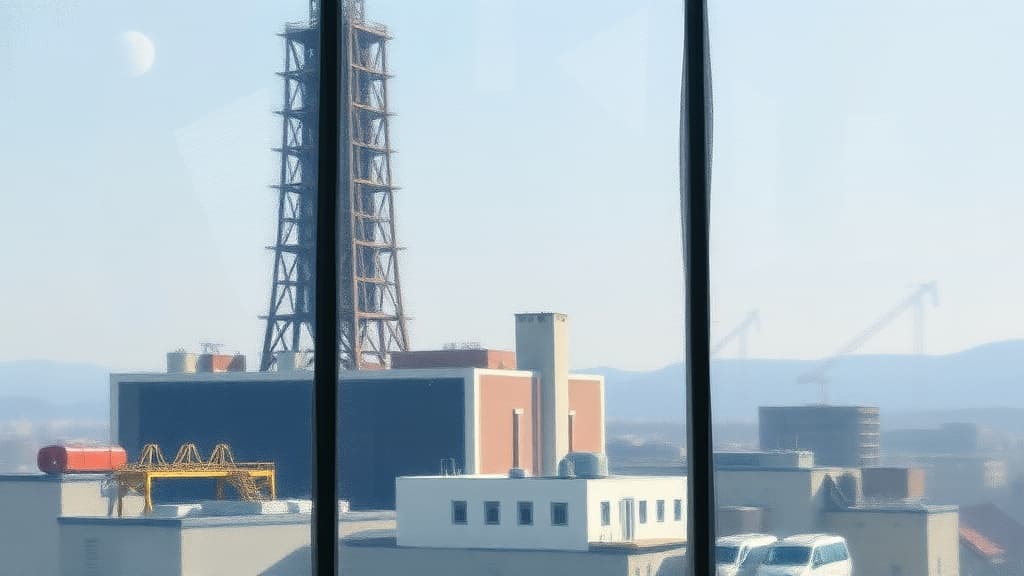
Researchers from South Korea and the United States have developed transparent glass windows embedded with metal mesh films that provide electromagnetic pulse (EMP) shielding. This innovation addresses vulnerabilities in both civilian and military facilities to EMP threats from nuclear detonations and specialized devices.
The new design, led by Professor Chang Won Jung from Seoul National University of Science and Technology, uses an asymmetric hexagonal mesh that achieves over 60 decibels of attenuation for civilian use and exceeds 80 decibels for military applications. The technology operates passively without requiring external power, making it suitable for integration into various architectures, including government complexes and data centers.
The research highlights a shift in security policies toward proactive measures against electromagnetic threats, combining aesthetics with functionality in infrastructure design. Published in the December 1, 2025 edition of Engineering Science and Technology, this advancement signifies a significant step in multifunctional transparent materials.



Comments