
Sri Lanka's Solar Ambitions and Challenges Amidst Declining Tariffs and Regulatory Changes
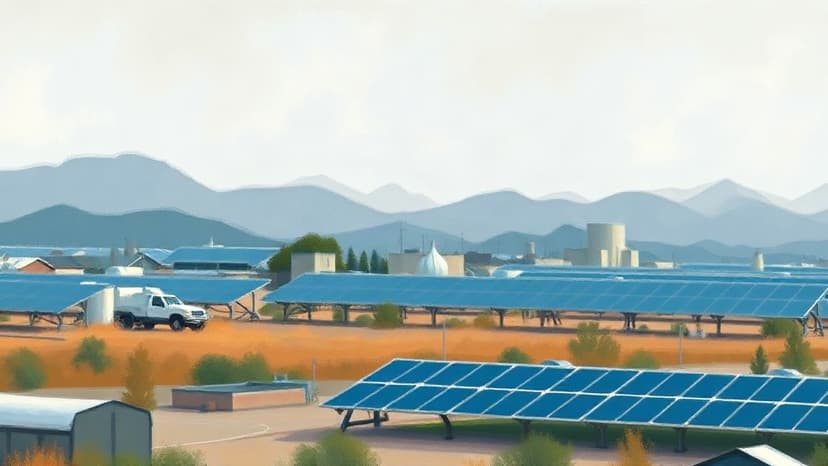
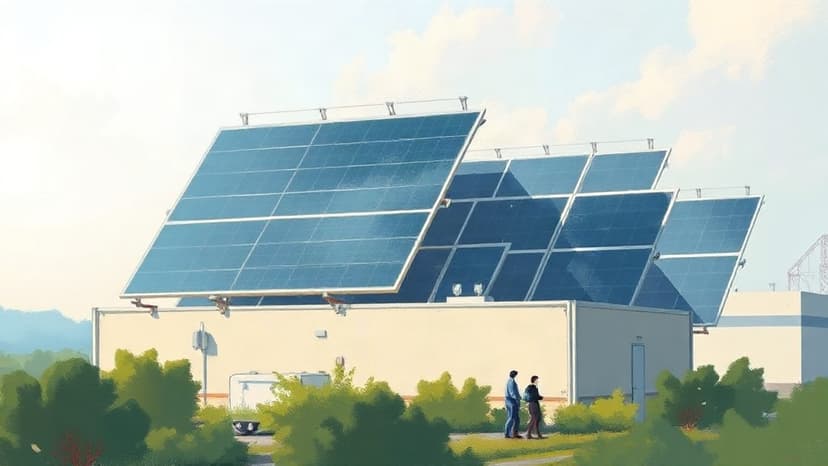
Sri Lanka aims to boost its solar energy sector, as emphasized by the Prime Minister at the International Solar Alliance meeting. However, challenges persist in tariff structures and regulatory frameworks. The government plans to lower the tariff for electricity from rooftop solar systems from Rs. 27 per unit to adapt to evolving energy policies. This initiative, driven by the Ceylon Electricity Board's recommendations, is expected to influence new installations while maintaining existing rates for current producers.
 Theia Market Signal Identification - AI Assisted
Sri Lanka's commitment to expanding its solar energy capabilities, articulated by the Prime Minister at the recent International Solar Alliance meeting in Colombo, faces significant hurdles, particularly in tariff structures and regulatory oversight. The government has proposed a reduction in the tariff for electricity generated from rooftop solar systems, currently set at Rs. 27 per unit, to align with changing energy policies and market conditions. This move, prompted by recommendations from the Ceylon Electricity Board (CEB), aims to impact new installations while existing producers retain current rates.
In comparison, neighboring Kerala showcases a more competitive tariff structure, where users consuming less than 40 units pay ?1.50 per unit, significantly lower than Sri Lankan rates. This disparity raises concerns about Sri Lanka's energy security, especially as the countryás energy generation is heavily reliant on imported fuels, with coal and thermal power contributing 49.9% of the energy mix in 2023.
Despite achieving a temporary milestone of 70% renewable energy generationálargely influenced by favorable hydroelectric conditionsãexperts caution against taking this figure at face value, arguing it misrepresents the stability of the energy transition. With solar power costs decreasing globally, the governmentás recent regulatory shifts, including the proposed abolition of the National Electricity Advisory Council, could stifle future investments in renewable projects.
Moreover, the high import taxes on solar batteries (up to 46%) hinder the adoption of energy storage solutions essential for balancing the grid during peak demand hours. As Sri Lanka grapples with an escalating power crisis, the urgency for a robust solar strategy, combined with supportive tariffs and regulations, remains paramount to achieving its long-term sustainability goals.
In conclusion, while solar energy presents a viable path forward for Sri Lanka, strategic reforms and a commitment to regulatory integrity will be crucial to harness its full potential.


Comments