
Study Reveals Lower Methane Emissions from Moorland Grazing Swaledale Sheep
A study by the Forage for CH4nge project found that Swaledale sheep emit less methane compared to Texel-cross sheep, primarily due to their smaller size, although emissions were similar when adjusted for weight. Ewes grazing on improved grassland produced more methane than those on herb-rich natural grassland or moorland. The research aims to promote sustainable sheep farming practices while addressing climate change, as agriculture contributes significantly to the UK's greenhouse gas emissions.
 Theia Market Signal Identification - AI Assisted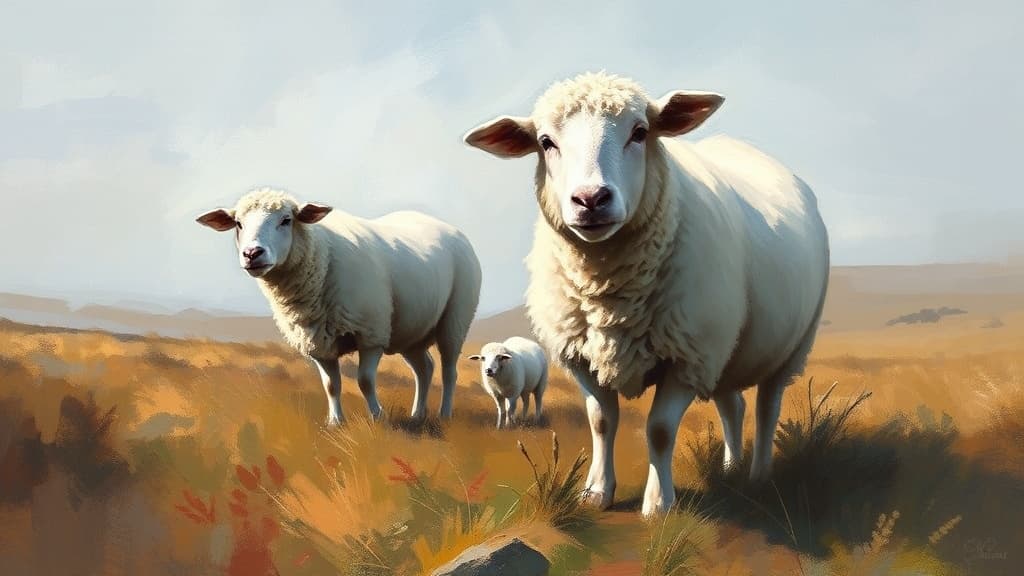
The Forage for CH4nge project, funded by Innovate UK, studied methane emissions from native Swaledale and Texel-cross sheep grazing on different forages. Conducted by Adrian Thornton-Berry and partners including GWCT and SRUC, the research found Swaledale ewes emitted less methane than Texel-crosses, attributed to their smaller size.
However, when adjusted for weight, emissions were similar. Ewes on improved grassland produced more methane than those on herb-rich natural grassland or moorland. Swaledale ewes also emitted less carbon dioxide than crossbreds.
The study involved 120 sheep, measuring emissions in mobile Portable Accumulation Chambers. Agriculture contributes 12% of the UK's GHG emissions, with livestock accounting for 50%. The project aims to support sustainable sheep farming while mitigating climate change impacts.




Comments