
Taiwan Research: Interplanting Napier Grass with Sunn Hemp Enhances Carbon Storage Without Soil Acidification
Research from Taiwan's TLRI reveals that interplanting Napier grass with sunn hemp significantly enhances carbon storage and prevents soil acidification, outperforming traditional nitrogen fertilizers. This method increased soil organic carbon by 3.6% to 5.5% over three years, while also demonstrating similar benefits from cow dung without altering soil pH. The study underscores the advantages of organic farming practices in mitigating soil acidification and improving carbon sinks.
 Theia Market Signal Identification - AI Assisted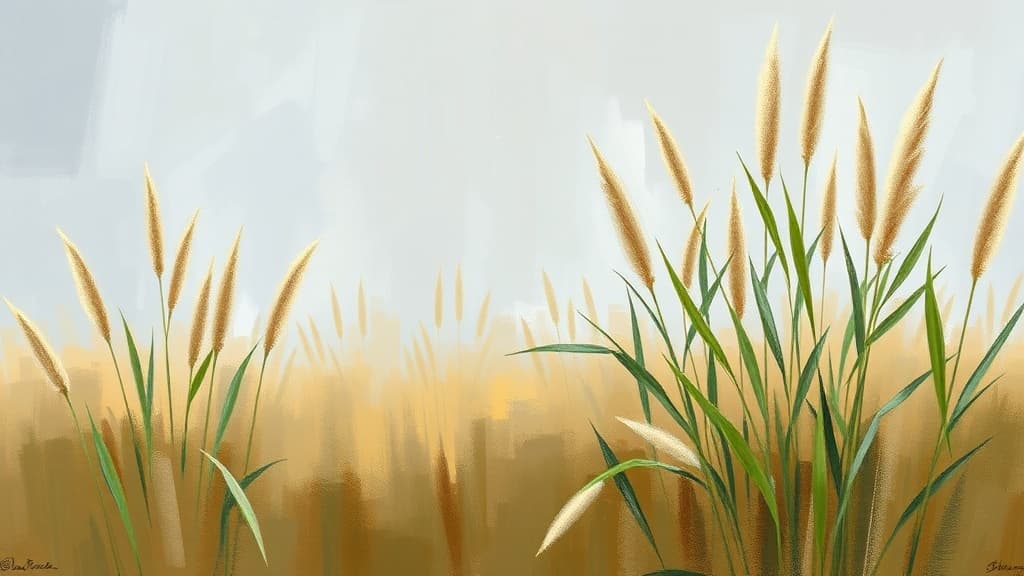
Research by Taiwan's Ministry of Agriculture's TLRI indicates that interplanting Napier grass with sunn hemp increases carbon storage in forage fields and prevents soil acidification, unlike nitrogen fertilizers. Napier grass, introduced to Taiwan in 1961, has been studied under carbon-negative farming from 2023 to 2024.
While nitrogen fertilizers produced higher yields and crude protein, the combination of Napier grass and sunn hemp, along with reduced nitrogen usage, boosted soil organic carbon by 3.6% to 5.5% over three years, compared to 2.4% from nitrogen alone. Additionally, using cow dung showed similar benefits without altering soil pH.
The TLRI emphasizes that organic practices protect against soil acidification and enhance carbon sinks. Meanwhile, a carbon footprint assessment of bok choy from an organic farm in Taoyuan found 0.35kg CO2 equivalent emissions per 250g package, with production as the main contributor.


Comments