
Kenya's Tree Planting Campaign Resilient to Climate Change, Risks Biodiversity Loss
Kenya's tree-planting efforts are projected to remain stable under various climate scenarios through 2050, achieving ambitious coverage targets. However, the expansion may lead to significant biodiversity loss and affect pastoral livelihoods due to reduced herbaceous vegetation.
 Theia Market Signal Identification - AI Assisted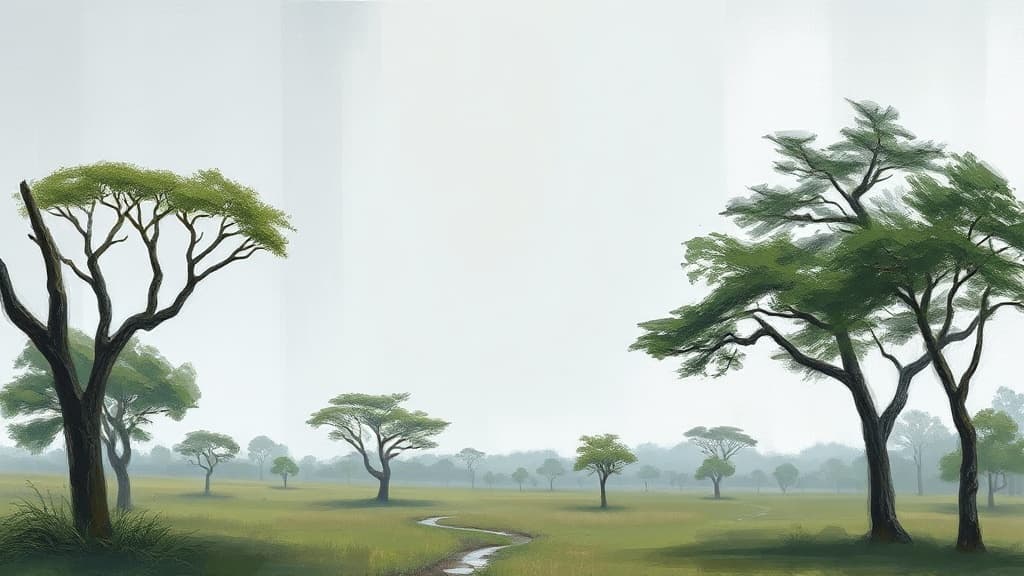
Kenya's tree cover is expected to increase by 7% to 10% by 2050 under historical fire conditions, maintaining stability even with doubled fire frequency. While the country aims for 30% tree cover by 2032, the afforestation efforts may negatively impact herbaceous vegetation, projected to decline by 31% to 35% relative to 2030 levels, which could harm grazing systems and wildlife.
The study indicates that tree cover expansion in savanna ecosystems, despite positive growth, may compromise overall habitat availability and carbon sequestration potential. Consequently, pastoral communities could face challenges due to declining grasslands, despite benefits in firewood access from increased tree cover.



Comments