
Taliban Incorporates Local Forces in Panjshir to Manage Resistance in Northeastern Afghanistan
The Taliban has integrated 600 men from Panjshir into its defense and interior ministries, with plans to recruit 1,500 more. Despite previous resistance from groups like the National Resistance Front and Afghanistan Freedom Front, opposition has diminished since the Taliban's return to power in August 2021. The Taliban's governance strategy involves economic co-option, local governance adjustments, and the management of anti-Taliban forces, ultimately leading to a reduction in significant resistance in the region.
 Theia Market Signal Identification - AI Assisted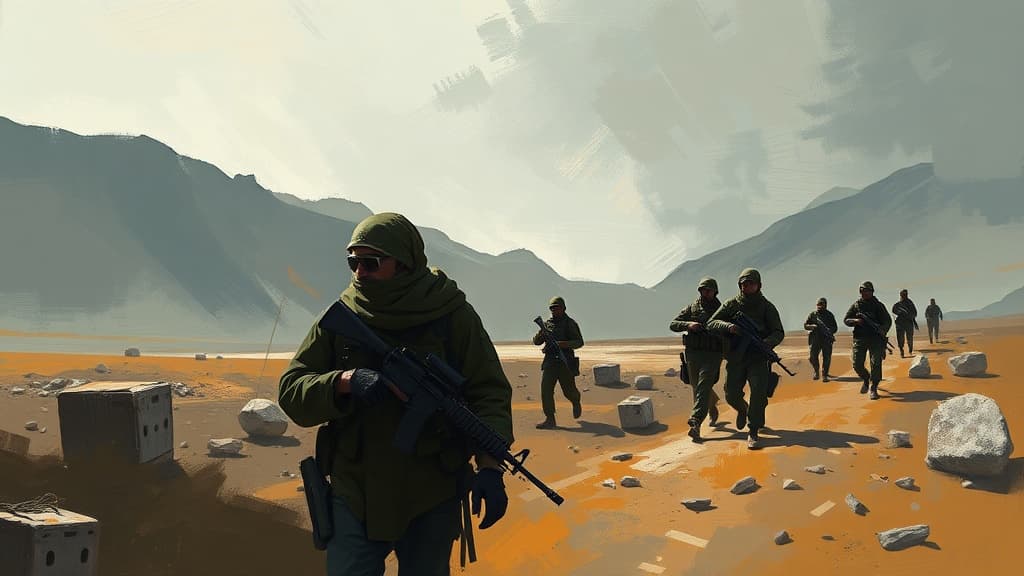
The Taliban has incorporated 600 young men from Panjshir into its defense and interior ministries, with plans to recruit an additional 1,500. Since the Taliban regained power in August 2021, resistance from groups such as the National Resistance Front and Afghanistan Freedom Front has significantly diminished in northeastern Afghanistan.
The Taliban has shifted its strategy from traditional armed conflict to subnational governance, focusing on economic co-option and local administrative control to mitigate dissent. Appointments like Mohammad Hakim Agha as governor of Panjshir illustrate their efforts to gain local acceptance and reduce resistance. By leveraging socio-economic vulnerabilities, the Taliban is embedding authority and stabilizing control in areas like Panjshir and Andrab Valley, while also managing resource procurement through existing local networks.



Comments