
TotalEnergies Launches E-Fuels Pilot Plant in Belgium Amid High Costs and Energy Efficiency Challenges
TotalEnergies inaugurated a pilot plant in Feluy, Belgium, to test high-temperature co-electrolysis for e-fuels. E-fuels are synthesized by capturing CO2 and combining it with hydrogen from electrolysis, aiming for a theoretically neutral carbon footprint. However, production costs are significantly higher than fossil fuels, with projections for e-diesel and e-kerosene reaching between €2.82 to €7,000 per ton by 2030. Despite promising applications in aviation and hard-to-electrify sectors, energy consumption for e-fuels is four to five times higher than direct battery electric vehicles, raising concerns about efficiency and resource allocation.
 Theia Market Signal Identification - AI Assisted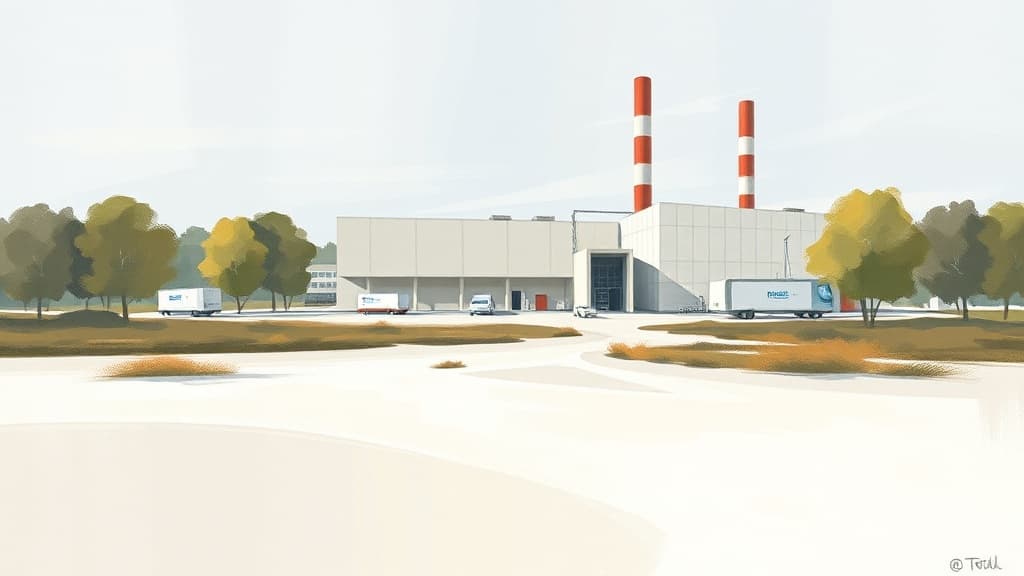
TotalEnergies has launched a pilot plant in Feluy, Belgium, to explore e-fuels production through high-temperature co-electrolysis. E-fuels are made by capturing CO2 and combining it with hydrogen generated via renewable electricity.
While e-fuels can be used in existing thermal engines without infrastructure changes, production costs are between 2 to 10 times higher than fossil fuels, with e-diesel projected at €2.82 to €5 per liter and e-kerosene at €4,000 to €7,000 per ton by 2030. The energy required for e-fuel production is significantly higher, consuming 135 kWh to drive 100 km compared to 22 kWh for electric vehicles.
Europe has around 40 e-kerosene projects but limited funding and only three have received final investment decisions. The high costs and energy inefficiency present major challenges, although e-fuels remain a viable option for sectors like aviation and maritime transport.



Comments