
UK and US Forge Landmark Nuclear Partnership to Build Advanced Modular Reactors in Hartlepool
The UK and US governments have announced a groundbreaking agreement to expedite the development of new nuclear power stations, including plans by Centrica and X Energy to construct up to 12 advanced modular reactors in Hartlepool. This partnership is expected to create around 2,500 jobs and power approximately 1.5 million homes. The deal aims to streamline safety checks, reducing licensing time from four years to two, and is part of a broader strategy to enhance energy security and foster economic growth in the UK.
 Theia Market Signal Identification - AI Assisted
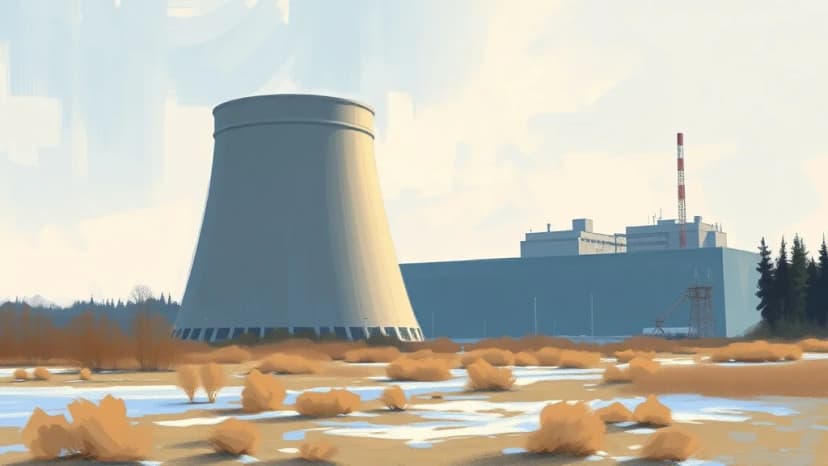
As the UK embarks on a new chapter in its energy landscape, a significant partnership with the United States paves the way for an ambitious expansion of nuclear power, highlighted by the announcement of plans to build up to 12 advanced modular reactors in Hartlepool. This initiative, spearheaded by Centrica in collaboration with US-based X Energy, aims to not only bolster energy security but also to create approximately 2,500 high-skill jobs in the region. The partnership, which is on track to be formally established during President Donald Trump's upcoming visit, is expected to generate enough electricity to power around 1.5 million homes.
The agreement between the UK and US governments emphasizes a commitment to fast-tracking safety checks, effectively shortening the nuclear licensing process from three to four years down to just two. Such measures are crucial in a sector that has already seen a revitalization this year, adding 11,000 jobs according to the Nuclear Industry Association. Prime Minister Keir Starmer heralded this milestone as a pivotal moment for nuclear energy, suggesting it heralds a "golden age" of nuclear power that promises to lower household bills while delivering immediate employment opportunities.
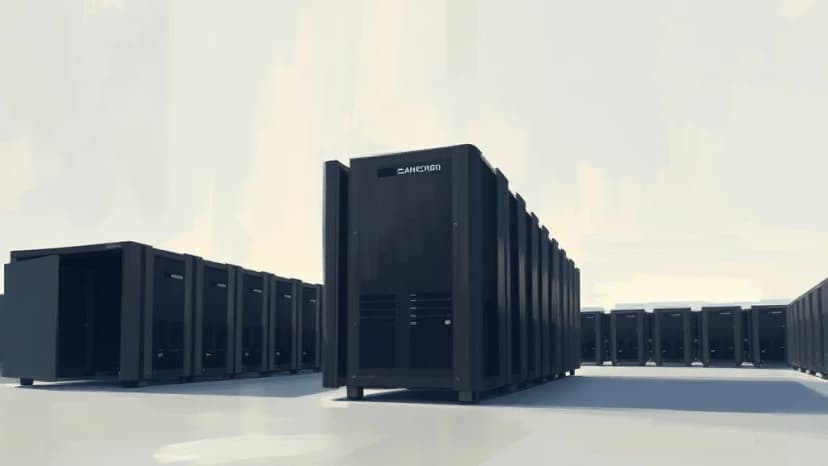
The Hartlepool project is indicative of a broader ambition, with the potential for over 20 modular reactors across the UK, generating a total of 6GW of power—equivalent to the nation's current nuclear output. Alongside this, other ventures are taking shape, including the development of advanced data centers powered by small modular reactors at the former Cottam coal-fired power station in Nottinghamshire, a project valued at £11 billion.
As part of this strategic push, the UK government is hopeful that these developments will not only enhance domestic energy production but also attract substantial US tech investments, particularly in AI and data centers, which demand robust electricity supply. The collaboration extends beyond mere energy generation; it aims to strengthen transatlantic partnerships in nuclear technology, enhancing global energy security while reducing reliance on foreign nuclear materials.
However, while the ambitions are grand, historical precedents serve as a reminder of the challenges that lie ahead. Previous nuclear projects have encountered significant cost overruns and delays, raising questions about the feasibility and safety of rapid expansion. As the UK prepares to embrace this "nuclear renaissance," the success of these initiatives will depend not only on technological advancements but also on the ability to effectively manage public concerns regarding safety and waste disposal.
As the excitement builds for what could be a transformative era for the UK's energy landscape, the focus will be on balancing ambitious goals with practical realities, ensuring that the promise of clean, homegrown energy becomes a sustainable and secure reality for future generations.


Comments