
UNSW Develops Method to Reduce Steel Manufacturing Emissions
Researchers from UNSW are retrofitting blast furnaces with the RISB process to lower carbon emissions in steel production. This initiative is critical for maintaining the viability of Australia's iron ore exports while responding to global demand for sustainable manufacturing.
 Theia Market Signal Identification - AI Assisted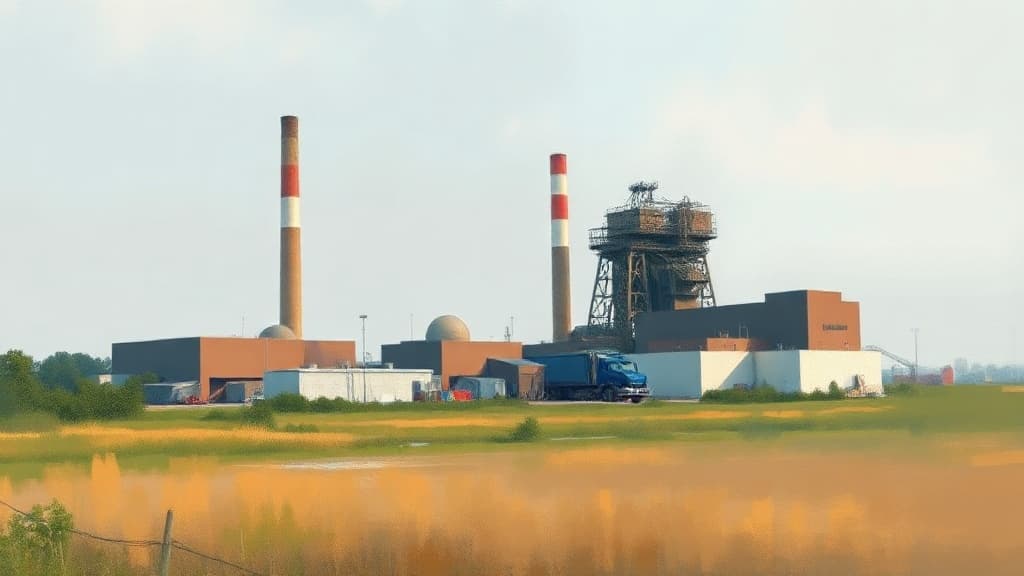
The University of New South Wales (UNSW) is advancing a project to retrofit existing blast furnaces with the Renewable Injections-Sustainable Burdens (RISB) process, which integrates hydrogen-bearing gases and bio-based materials. This method aims to reduce emissions without the need for new infrastructure, thereby lowering capital costs for Australian steel producers.
The project is particularly significant for the Pilbara region's lower-grade iron ore, which can be utilized while reducing the carbon footprint of steel. The RISB initiative is part of the Transformative Research Accelerating Commercialisation (TRAC) Program, focusing on immediate emissions reduction and enhancing the competitiveness of the domestic steel sector. By allowing traditional blast furnaces to incorporate renewable fuels, this research presents a viable pathway in the transition toward net-zero manufacturing.


Comments