
US Air Force's Combat Search and Rescue Future Uncertain as A-10s Retire by 2029
The retirement of the A-10 Thunderbolt II by fiscal year 2029 raises critical questions about the future of Combat Search and Rescue (CSAR) operations. As the Air Force considers replacements, the extensive training and experience of A-10 pilots are crucial for maintaining operational readiness.
 Theia Market Signal Identification - AI Assisted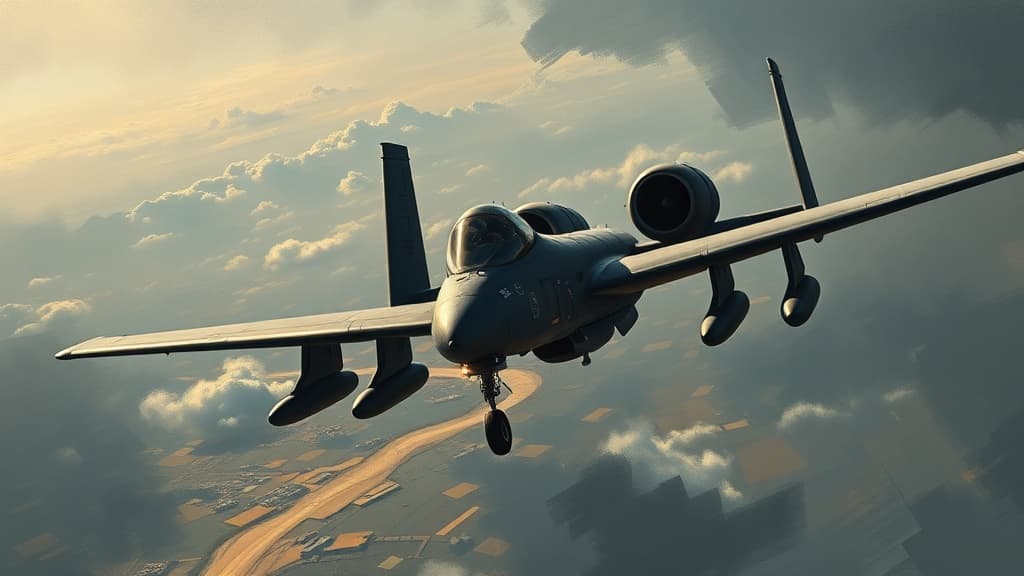
The U.S. Air Force plans to retire the A-10 Thunderbolt II by fiscal year 2029, creating uncertainty for Combat Search and Rescue (CSAR) operations. The transition raises concerns regarding pilot training and operational readiness, particularly in light of recent CSAR missions, including one in Iran on April 3, 2026.
Currently, there is no formal transition plan for the Sandy 1 role, integral to CSAR missions. The Air Force is considering the F-35A as a potential replacement for Sandy-qualified A-10 pilots, yet no specialized training program for successor platforms has been confirmed.
A 2022 Pentagon test indicated that the A-10 and F-35A perform better in CSAR when combined rather than in isolation. The National Defense Authorization Act mandates maintaining a minimum of 103 A-10s until September 30, 2026, reflecting congressional concerns about potential mission gaps.

Comments