
US and China Compete for Lunar Resources Amid Growing Space Industry
The US and China are racing to establish lunar bases at the moon's south pole, where water ice could support life and fuel. This competition may lead to disputes over lunar territory, despite the 1979 UN Moon Agreement prohibiting sovereignty claims.
 Theia Market Signal Identification - AI Assisted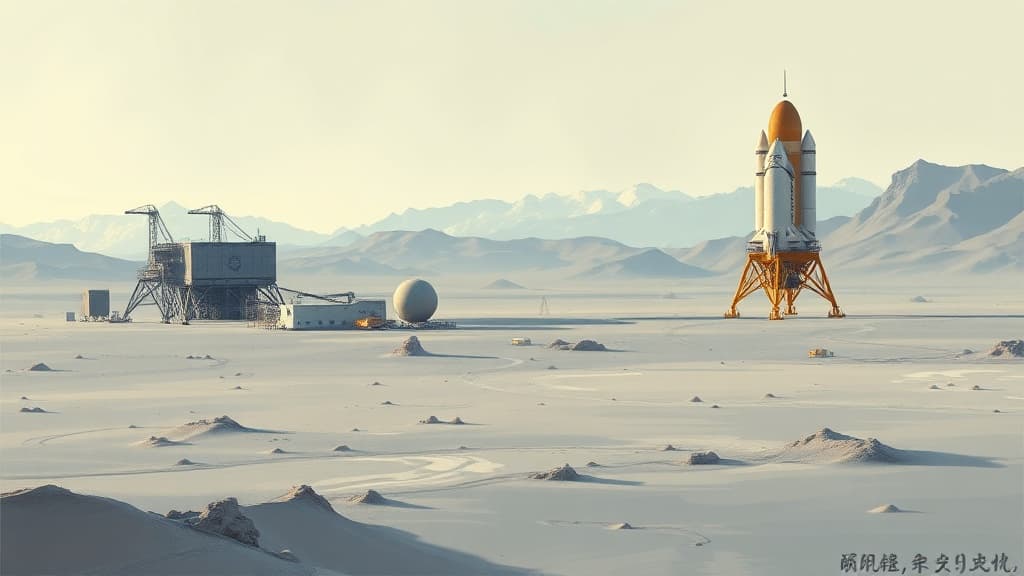
The United States and China are competing to establish lunar bases at the south pole, targeting water ice deposits for life support and rocket fuel. While the 1979 UN Moon Agreement states no one can claim sovereignty over the moon, neither country has signed it, raising concerns about potential territorial disputes.
Both nations aim to build infrastructure by 2035, with the US utilizing the Orion spacecraft and private companies like SpaceX and Blue Origin for landing crafts. China's planned base, the International Lunar Research Station, is also set for construction at the south pole, heightening competition for prime locations.
The growth of space exploration has led to an increase in satellite launches, particularly by SpaceX, which faces challenges managing orbital debris and collision risks. As satellite numbers soar, the need for regulatory measures to manage orbital traffic becomes critical.

Comments