
US Navy Pilot Discusses Challenges of Autopilot Use for Aircraft Carrier Landings
Former US Navy pilot Adam Daymude discusses the challenges of using autopilot systems for aircraft carrier landings, emphasizing pilots' reluctance to trust these technologies due to their failures in adverse conditions. He recalls a malfunctioning auto-throttle incident, highlighting the importance of manual landings for safety and the difficulty in programming algorithms that can mimic pilots' instinctive adjustments during landings.
 Theia Market Signal Identification - AI Assisted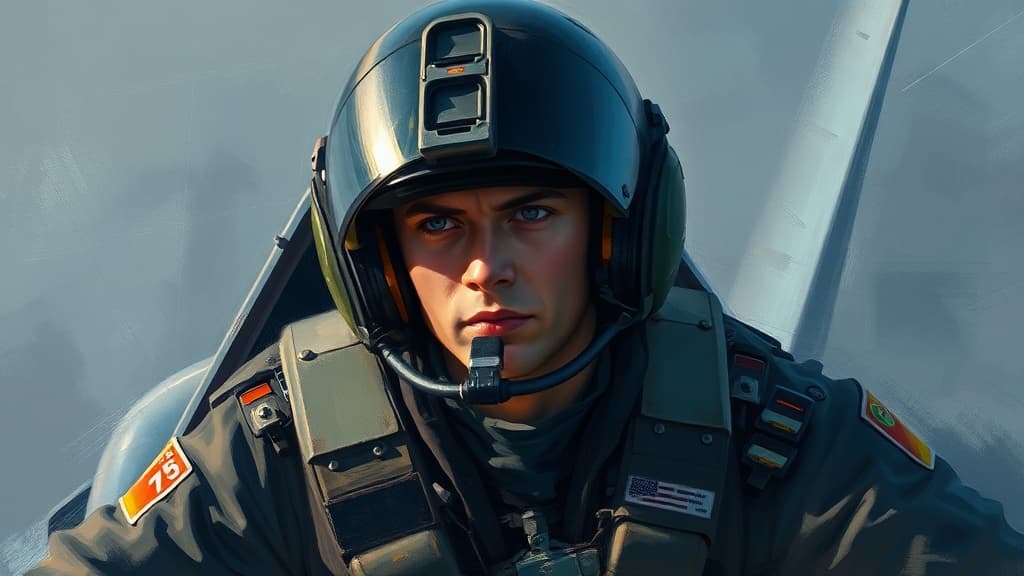
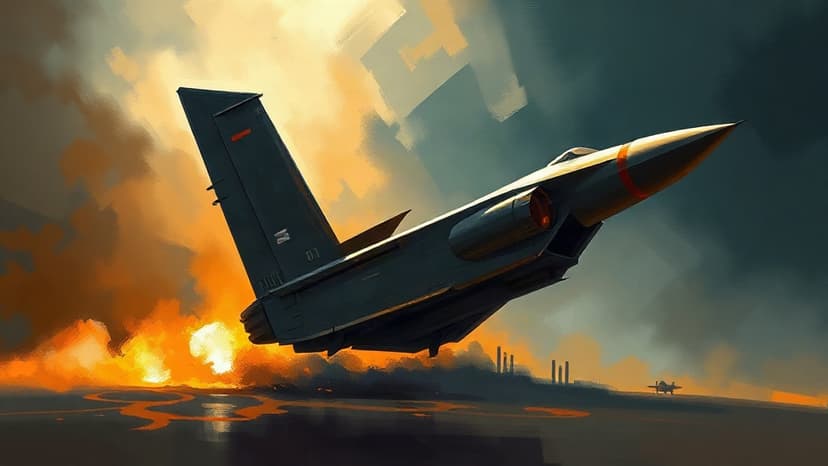
US Navy pilots face significant challenges when landing on aircraft carriers, utilizing arresting cables and tailhooks. The landing process requires precision, with the pilot aiming for specific arresting wires and maintaining engine power to ensure a safe recovery in case of a missed landing.
Former EA-18G Growler pilot Adam Daymude highlights a strong reluctance among Navy pilots to trust autopilot systems for carrier landings, citing their failure under adverse conditions. Daymude recalls an incident where the auto-throttle malfunctioned during landing, emphasizing that manual landings remain the safest method. He notes the difficulty in programming algorithms that can replicate the instinctive adjustments pilots make based on real-time conditions.

Comments