
US-UK Nuclear Partnership Set to Accelerate Energy Security and Investment
During President Donald Trump's state visit, the UK and US will sign a significant nuclear power agreement aimed at enhancing investment and security in energy. The partnership includes plans for up to 12 advanced modular reactors in northeast England, alongside an $11 billion project for nuclear-powered data centers. The deal seeks to streamline regulatory processes, reducing licensing times from four years to two. This collaboration is expected to create thousands of jobs and bolster both nations' energy independence, marking a pivotal moment in the push for nuclear advancement.
 Theia Market Signal Identification - AI Assisted
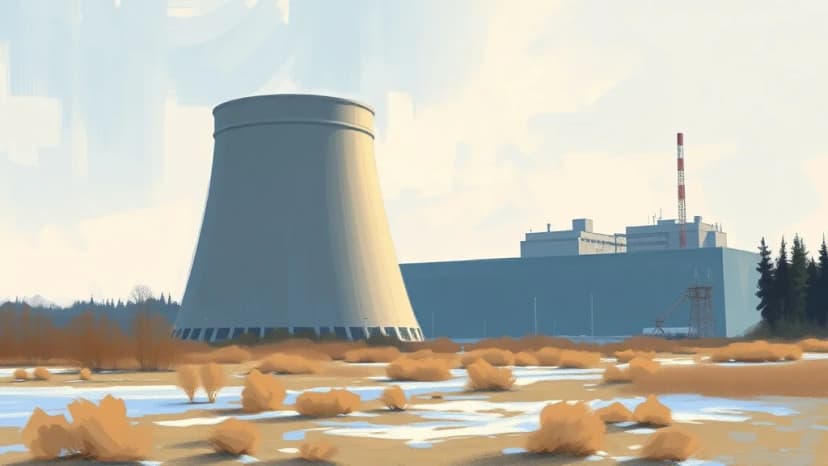
The United Kingdom and the United States are poised to formalize a transformative nuclear energy partnership during President Donald Trump's imminent state visit, aimed at accelerating investment and enhancing energy security across both nations. This significant agreement, heralded as a step towards a "golden age of nuclear," promises to invigorate the sector by introducing advanced modular reactors and streamlining regulatory processes.
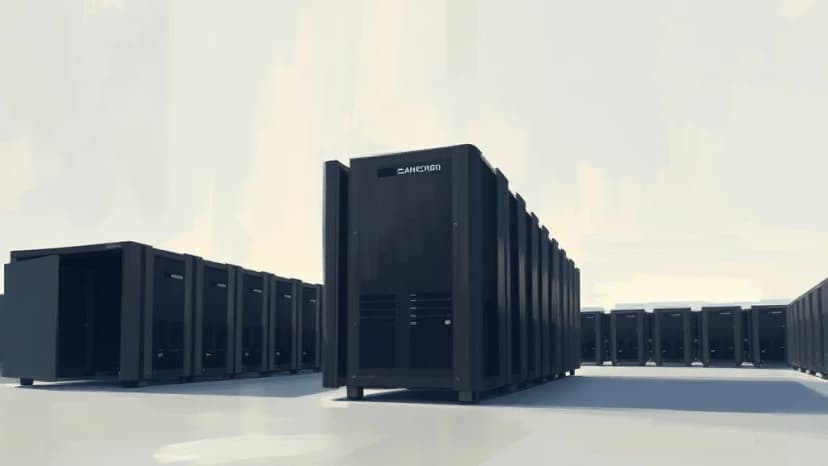
At the heart of this collaboration lies a commitment to construct up to 12 cutting-edge modular reactors in Hartlepool, northeast England. This initiative, in partnership with US-based X Energy and UK energy supplier Centrica, is projected to generate sufficient electricity to power approximately 1.5 million homes while creating around 2,500 jobs. Complementing this effort is a substantial $11 billion project led by Holtec International and EDF, which will establish nuclear-powered data centers at the site of the former Cottam coal-fired power station in Nottinghamshire.
The agreement will also significantly overhaul the current regulatory landscape, reducing the licensing timeline for nuclear projects from four years to just two. This change is expected to accelerate the construction of new plants, thereby enhancing energy security and reducing reliance on volatile fossil fuel markets.
Prime Minister Keir Starmer has expressed optimism regarding these developments, asserting that they will drive down household energy bills and foster economic resilience. He emphasized the partnership's role in positioning both countries at the forefront of nuclear innovation, particularly in meeting the rising demands of energy-intensive sectors like artificial intelligence.
As the UK government has committed £14 billion towards the Sizewell C power plant and the advancement of small modular reactors, this partnership not only addresses immediate energy needs but also sets the stage for a robust transition towards low-carbon energy sources. Industry leaders have welcomed the anticipated job creation and economic benefits, underscoring the importance of this strategic alliance.
While advocates view the partnership as essential for achieving net-zero emissions and enhancing energy independence, critics caution against over-reliance on nuclear energy, suggesting that investment in renewable sources may be a more effective long-term solution. Nonetheless, the collaboration marks a pivotal moment in the evolution of nuclear power, promising significant advancements in technology and energy resilience for both nations.


Comments