
USP's Nêmesis Hybrid Engine Achieves Technical Milestone
The Nêmesis hybrid propulsion engine developed by USP students recorded a maximum thrust of 3,315 newtons and specific impulse of 185 seconds during tests on March 15, 2026. This advancement marks a significant step for aerospace initiatives in Brazil, demonstrating the potential for domestic technological development in the aerospace sector.
 Theia Market Signal Identification - AI Assisted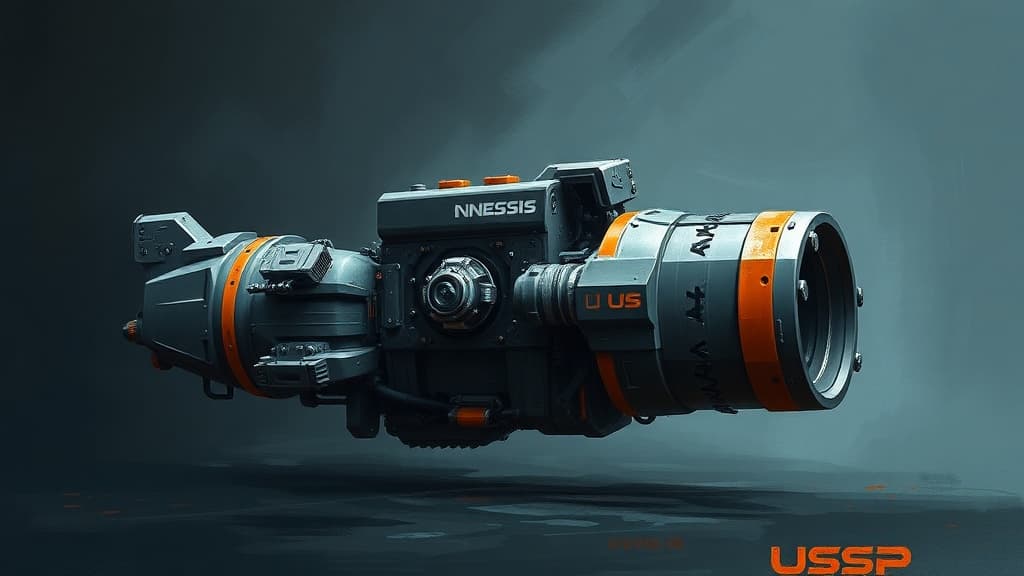
On April 4, 2026, the Elara II rocket, powered by the Nêmesis engine, launched from USP's Pirassununga campus, coordinated with the Air Force Academy. The flight tested various integrated systems, including structural integrity and recovery operations.
The engine's metrics—3,315 N thrust, 185 seconds specific impulse, and a 9-second burn time—indicate its capacity for light payloads and suggest a high efficiency for academic-produced hybrid engines. Despite not reaching the planned altitude due to oxidizer levels, recovery systems functioned effectively.
Continuous improvements in oxidizer supply and operational scheduling are needed for future missions. This achievement underscores Brazil's ability to develop autonomous aerospace technology, essential in the context of global space competition.



Comments