
Wales Aims for Circular Economy Through Enhanced Procurement Practices
Wales is prioritizing enhanced procurement practices to establish a circular economy, particularly in the steel industry, by focusing on local production and reducing scrap metal exports. The addition of an electric arc furnace at Tata in Port Talbot aims to boost domestic processing capacity, while public contracts will emphasize the use of low-carbon, recycled materials. This initiative aligns with the Wellbeing of Future Generations Act, promoting sustainable public spending and collaborative efforts across industries to embed circular principles.
 Theia Market Signal Identification - AI Assisted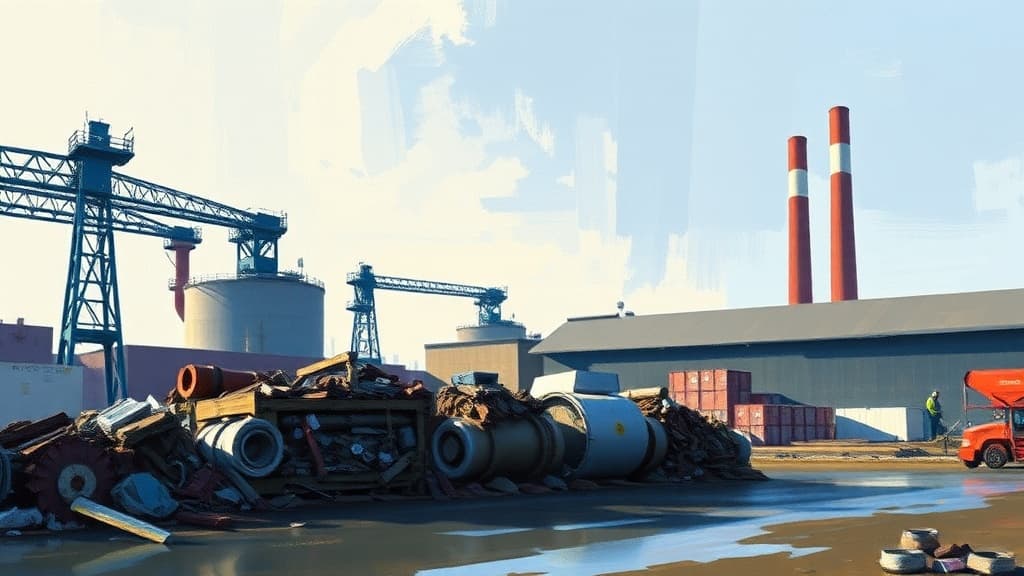
Wales is focusing on procurement to establish a circular economy, particularly in the steel industry. 7 Steel UK transforms scrap metal into new steel at its Cardiff facility, emphasizing the need for local production to retain economic value. Currently, the UK generates 10 to 12 million tonnes of scrap metal annually, with over 80% exported for recycling abroad.
The addition of another electric arc furnace at Tata in Port Talbot will enhance local processing capacity, allowing for greater use of domestic scrap. To support this transition, public contracts should prioritize low-carbon, recycled materials, signaling value in local resources.
The Wellbeing of Future Generations Act provides a framework for aligning public spending with sustainable goals. Collaborative efforts among industries like steel and cement, alongside thoughtful design practices, will help embed circular principles. Effective procurement could become essential for economic regeneration in Wales.




Comments