
WalNUT Project Demonstrates 25% Reduction in Mineral Fertiliser Use with Algae from Dairy Effluents
The WalNUT project showcases a method of producing fertiliser from algae grown on dairy wastewater, which can cut mineral fertiliser use by 25%. Field tests in western France show that mixing algae powder with mineral fertilisers maintains yield levels while reducing reliance on imported resources. The project emphasizes nutrient recovery and sustainable agriculture in Europe.
 Theia Market Signal Identification - AI Assisted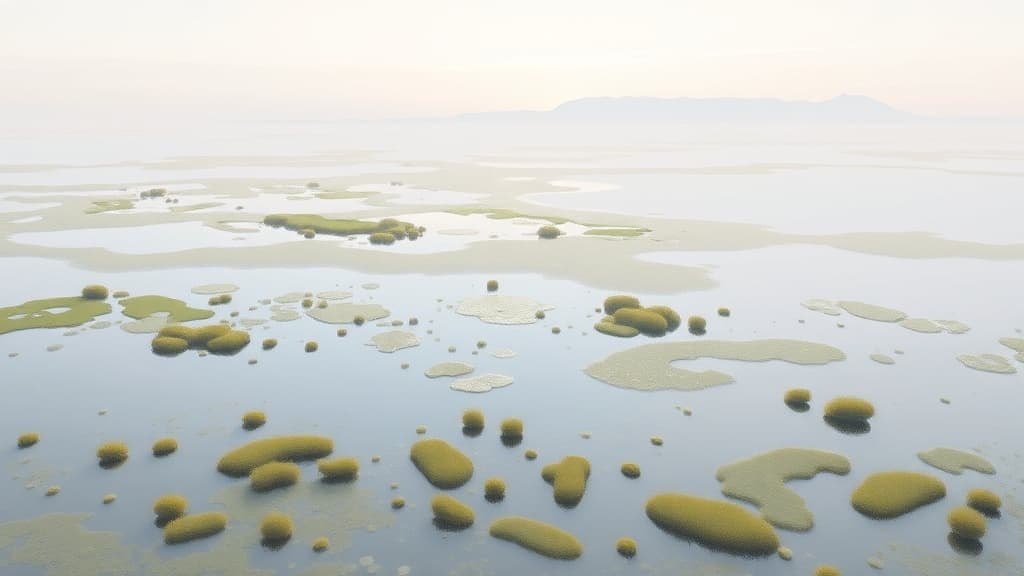
The WalNUT project has developed a method to produce fertiliser from algae cultivated on dairy effluents, potentially reducing mineral fertiliser use by 25%. Farmers in western France conducted field trials that revealed combining algae powder with mineral fertilisers can achieve equivalent yields while decreasing mineral fertiliser dependency.
The project aims to treat various wastewaters and recover nutrients for bio-based fertilisers, enhancing sustainability in agriculture. A nutrient recovery facility in Ourense, Spain, further exemplifies these circular economy efforts, with plans to optimize solutions for reducing environmental impacts and food system resilience.



Comments