
West African LNG Corridor: Strategic Challenges and Future Outlook
The recent Paris meetings highlighted Europe's dual approach to energy supply, balancing short-term restoration with long-term diversification. The Nigeria-Morocco pipeline, set for signing in 2026, underscores the urgent need for structural stability amid geopolitical tensions.
 Theia Market Signal Identification - AI Assisted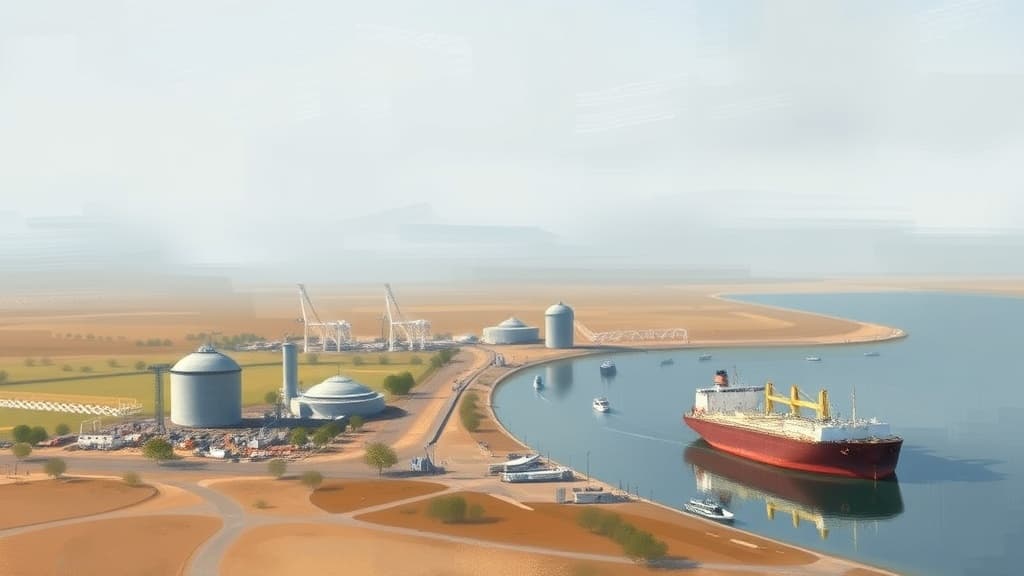
At the IAE forum in Paris, energy ministers discussed the Atlantic corridor's potential amidst a looming supply gap in global gas markets, with investment needs estimated at $11-12 trillion over decades. The Nigeria-Morocco pipeline, covering 6,900 kilometers and involving $25 billion, is projected to start delivering gas by 2031.
However, Europe's simultaneous military strategy to protect shipping routes through Hormuz indicates a preference for restoring existing supply chains rather than diversifying. The discussions also revealed a critical mismatch between European short-term responses and the long-term commitments necessary for sustainable energy partnerships. Political instability in transit countries poses additional risks to the pipeline's viability, raising questions about Europe's dependency on the corridor's infrastructure and its governance alignment with African producers.
Comments