
Algeria's Desalination Expansion: Strategic Goals and Technological Innovations
Algeria's desalination program aims for 5.7 million m³/day capacity by 2030, addressing growing water needs amid climate challenges. The initiative includes the construction of new mega-stations and the integration of renewable energy technologies to ensure sustainable water supply across the nation.
 Theia Market Signal Identification - AI Assisted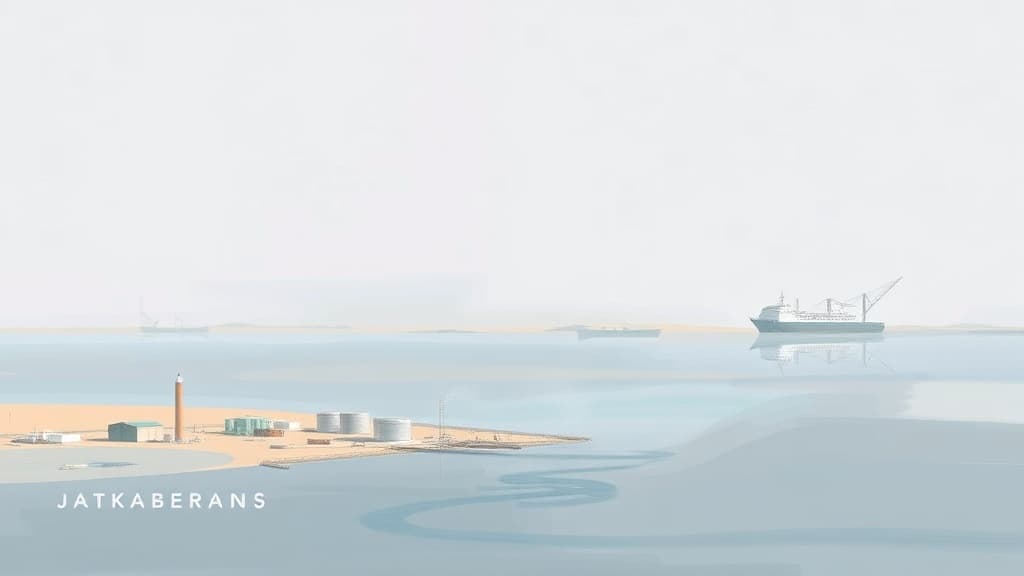
Algeria's national desalination program currently includes 19 operational stations, with a capacity of 3.7 million m³/day, meeting 42% of national potable water needs. By 2030, the aim is to expand to 27 stations capable of producing 5.7 million m³/day.
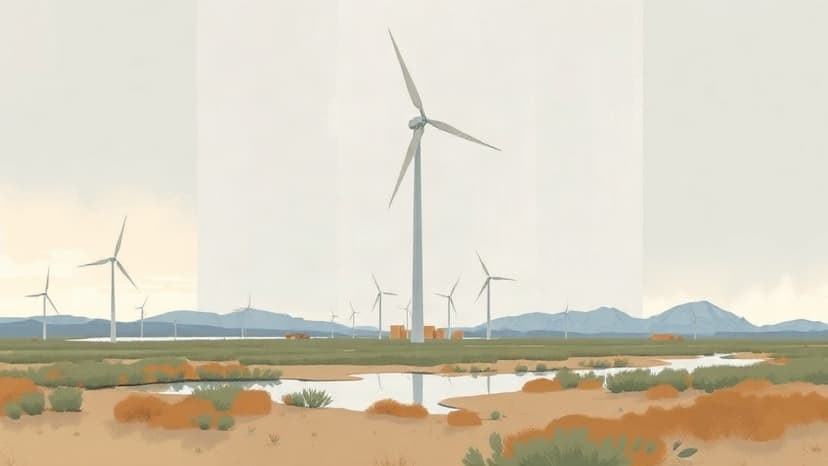
The government has initiated the second phase of the program, adding six new mega-stations, with three projects in Tlemcen, Mostaganem, and Chlef already launched. These stations will also utilize renewable energy to reduce carbon footprints.
The approach to prioritizing locations is based on technical assessments of regions experiencing chronic water stress. As of 2024, desalination had increased its contribution from 18% to 42%, significantly reducing water stress.
However, the plan also emphasizes using brackish water resources from southern Algeria to enhance overall water security. This multifaceted strategy aims for a balanced and resilient water supply system, protecting citizens and bolstering economic competitiveness.
Comments