
Algérie Accelerates Decarbonization in Key Industries Ahead of EU Carbon Border Mechanism Implementation
Algeria is accelerating decarbonization in key industries, including cement and steel, in response to the upcoming EU Carbon Border Adjustment Mechanism (CBAM) set for 2023, which could impose carbon taxes on exports. The country is investing in green production technologies, such as new cement facilities and a joint green hydrogen project, while the World Bank advises on necessary reforms and investments to enhance export competitiveness and environmental sustainability.
 Theia Market Signal Identification - AI Assisted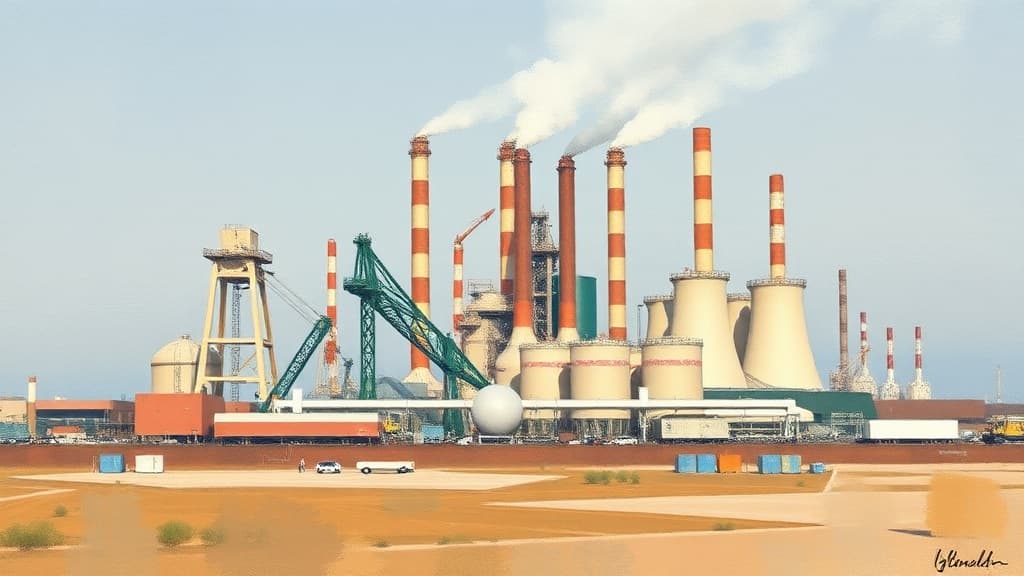
The implementation of the Carbon Border Adjustment Mechanism (CBAM) in 2023 requires Algerian industries, particularly in cement, iron, steel, aluminum, fertilizers, electricity, and hydrogen, to accelerate decarbonization to avoid carbon taxes on exports to Europe. Algeria is developing green cement production facilities in Djelfa and Relizane and expanding the existing Adrar plant.
Holcim Algeria has proposed a decarbonization project to the Minister of Energy. Additionally, Sonelgaz, Hecate Energy, and Tosyali Iron Steel Industry signed an agreement in June for a joint study on a green hydrogen production project.
The World Bank emphasizes the need for Algeria to decarbonize existing industries and reform fuel subsidies to maintain export competitiveness under CBAM. Investments in production technologies and carbon taxation are also recommended to leverage this EU mechanism as an opportunity for fiscal revenue and environmental sustainability.
Comments