
Analysis of Russia's Su-35 Fighter: Strengths and Limitations
The Su-35, a fourth-generation-plus fighter derived from the Su-27, boasts strong maneuverability and weapon capacity but is hindered by a large radar signature and limited sensor fusion, affecting its survivability against modern air defenses. While primarily used for homeland defense, its vulnerabilities were highlighted in the Ukraine conflict, compounded by sanctions and budget constraints that have stifled Russia's aerospace industry. The aircraft serves as a transitional platform, revealing the challenges in advancing to fifth-generation capabilities due to its lack of stealth and advanced networking.
 Theia Market Signal Identification - AI Assisted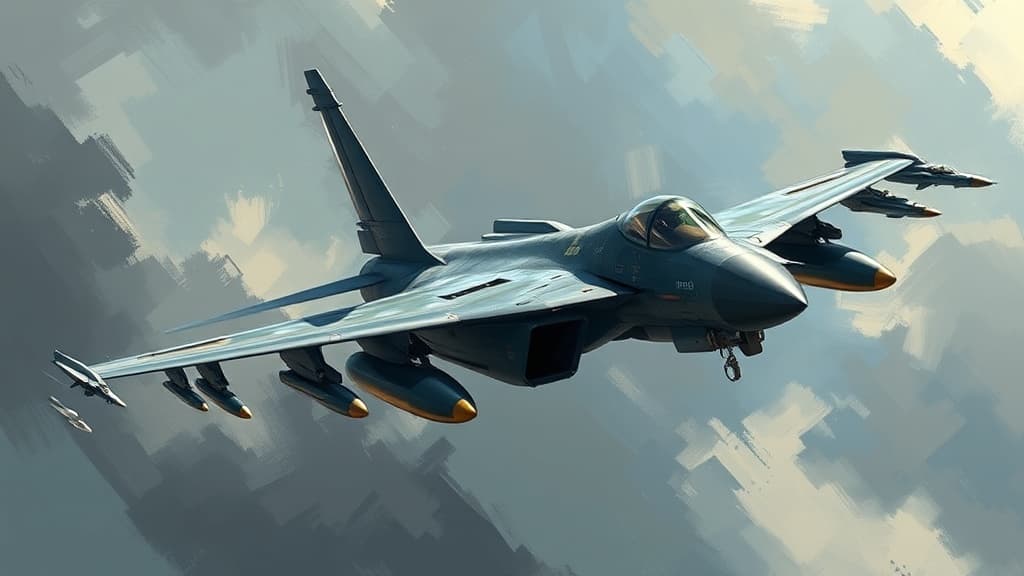
The Su-35, a fourth-generation-plus fighter developed from the Su-27, is characterized by strong kinematics, thrust-vectoring agility, and heavy weapon carriage. However, its large radar signature and inferior sensor fusion limit its survivability against modern air defenses.
The aircraft primarily serves in homeland defense and air policing roles but faces challenges in high-end conflict due to vulnerabilities exposed in Ukraine. Sanctions and budget constraints have hindered Russia's aerospace industry, impacting production and access to advanced electronics. The Su-35 represents a transitional platform, highlighting the stalled progress towards fifth-generation capabilities, as it lacks stealth and advanced networking.

Comments