
Antarctic Land Accessibility and Future Mining Conflicts
120,000 km² of land in Antarctica may be exposed due to ice melt, creating potential for mineral extraction. The Antarctic Treaty prohibits mining until 2048, but countries may contend over resources like copper and gold as the ice recedes.
 Theia Market Signal Identification - AI Assisted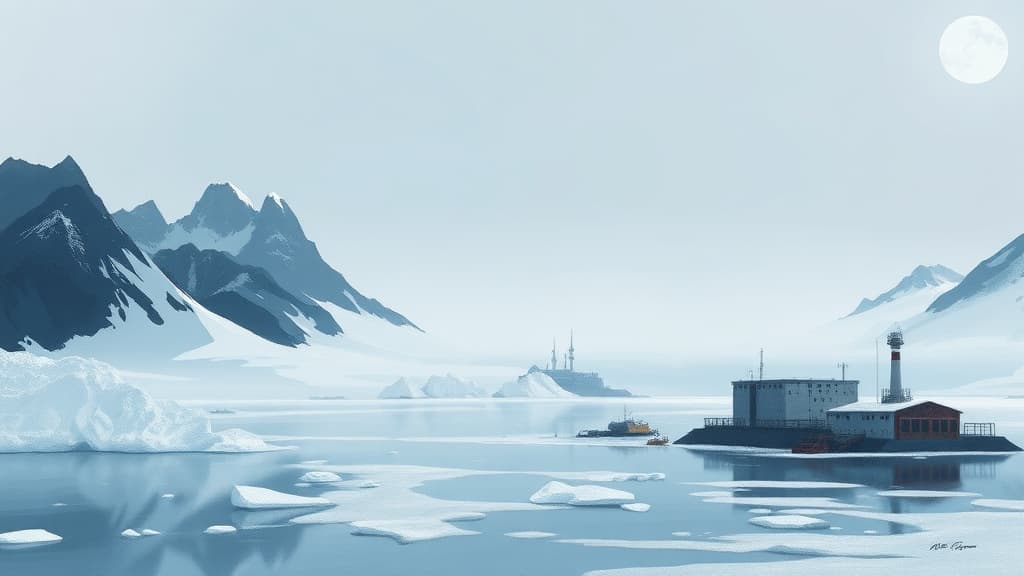
Estimates indicate that 120,000 km² of Antarctic land may become accessible as ice continues to melt, particularly influenced by the ongoing loss of the Thwaites Glacier, which releases around 50 billion tons of ice each year. Current sea ice data shows a rebound; however, the landmass continues to diminish.
The Antarctic Treaty, established in 1959 and expanded by the 1991 Madrid Protocol, bans mining activities but includes a re-evaluation provision set for 2048. This timeline could trigger resource conflicts among nations interested in newly exposed minerals such as copper, gold, and platinum. Challenges such as extreme weather and logistical expenses could hinder mining efforts, leading to debates about balancing resource extraction and environmental conservation.

Comments