
Army's New Procurement Strategy Creates Challenges for Drone Vendors
The U.S. Army's new procurement strategy, which focuses on rapid, small-quantity purchases, is creating challenges for drone vendors like Anduril, producer of the Ghost-X drone. The strategy complicates production alignment due to uncertain demand and a Defense Department directive treating small drones as munitions, leading to vendor hesitance in investing in capacity and supply chains. Despite the Army's request for $804 million for small UAS programs in its 2026 budget, vendors remain uncertain about actual demand, exacerbating tensions between procurement goals and vendor capabilities.
 Theia Market Signal Identification - AI Assisted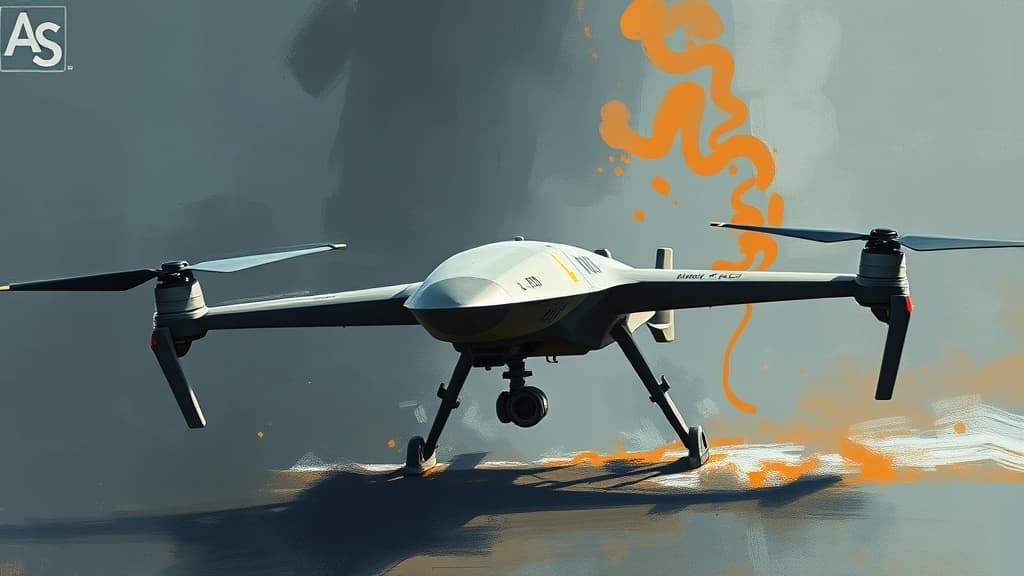
The U.S. Army's revised acquisition strategy, which emphasizes fast, small-quantity purchases, is complicating operations for vendors like Anduril, which produces the Ghost-X medium-range reconnaissance drone.
Vendors face difficulties in aligning production capacity with the Army's uncertain demand, compounded by a Defense Department directive to treat small drones as munitions. In 2025, Anduril plans to deploy 200 Ghost-X systems, with another 200 anticipated for 2026.
However, the lack of a clear procurement process for replacement components adds to the uncertainty. The Army has requested nearly $804 million for small UAS programs in its 2026 budget, but vendors remain unclear on how this will translate into actual demand. As a result, companies are hesitant to invest in production capacity and supply chains, creating tension between the Army's procurement goals and vendor capabilities.

Comments